
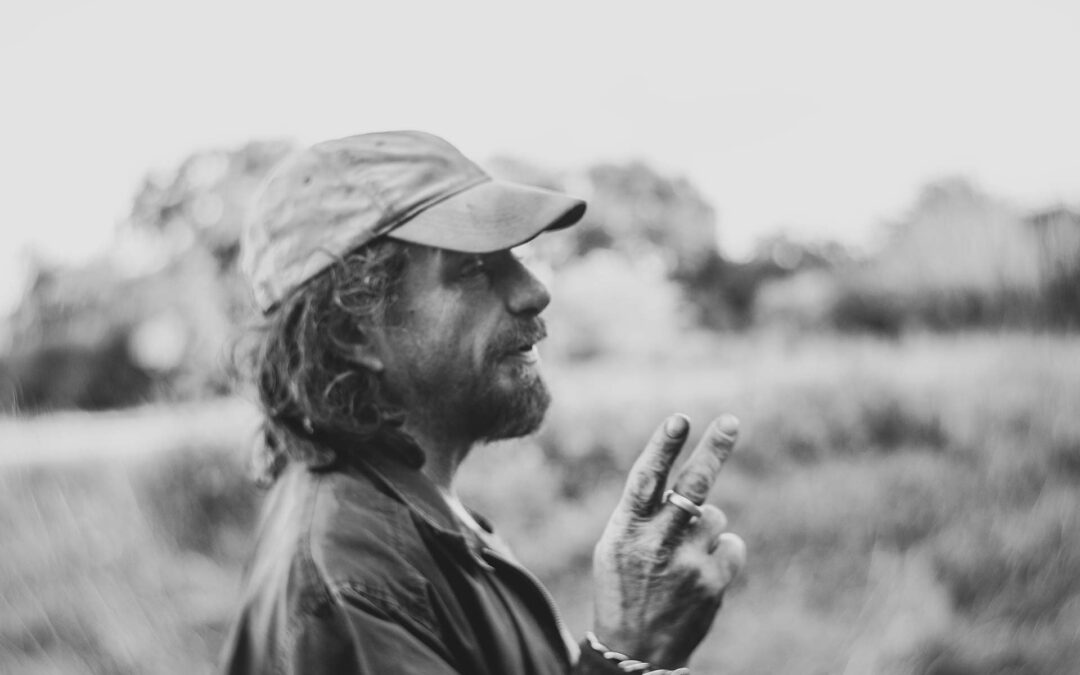
While much of the industry prized stillness and perfection, I was far more interested in what happened when people were allowed to move. That was where the real magic lived for me — where the fun could begin.
Without the literal heaviness of traditional equipment — my goodness, my Manfrotto tripod weighed a ton — the difference was immediate. Between manoeuvring its many moving parts, looking down instead of engaging, balancing, measuring, and checking everything twice, the moment was often long gone. It felt like sucking the air out of a balloon. Absolutely not for me.
I didn’t want to be anchored to one position, locked into precision at the expense of presence. I needed freedom — to move, to observe from any angle, to remain alert and responsive. I wanted to be in the moment, not managing equipment while life quietly slipped past.
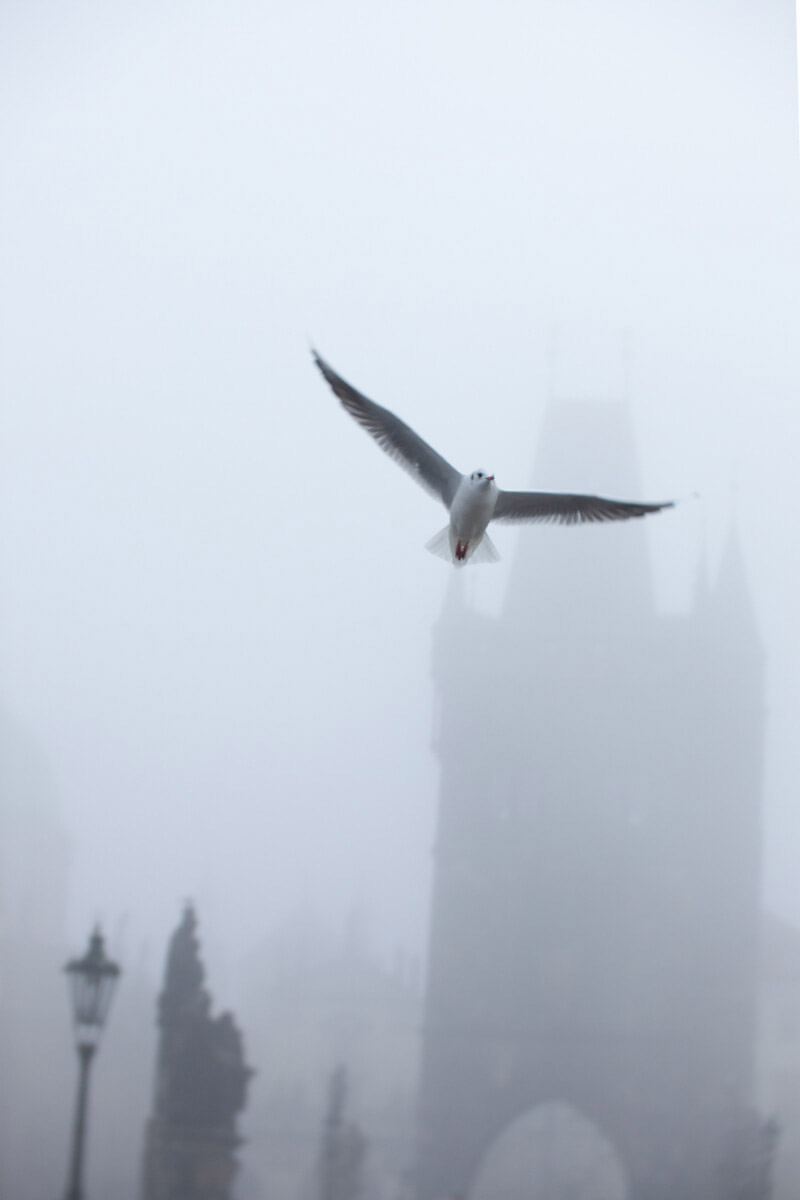
Working handheld with a 35mm camera changed everything. It allowed me to lift my head, relax my body, and fully engage — not just seeing what was happening, but feeling it. I could move with my subject, respond instinctively, and remain immersed in the exchange unfolding in front of me.
It felt like conducting an orchestra — a beautiful, shifting, living thing — and translating the music I was hearing internally into images. Joyous. Freeing. Some of the best moments of my life have happened in that state of flow. You feel it physically: the hairs rise on the back of your neck, the energy becomes palpable.
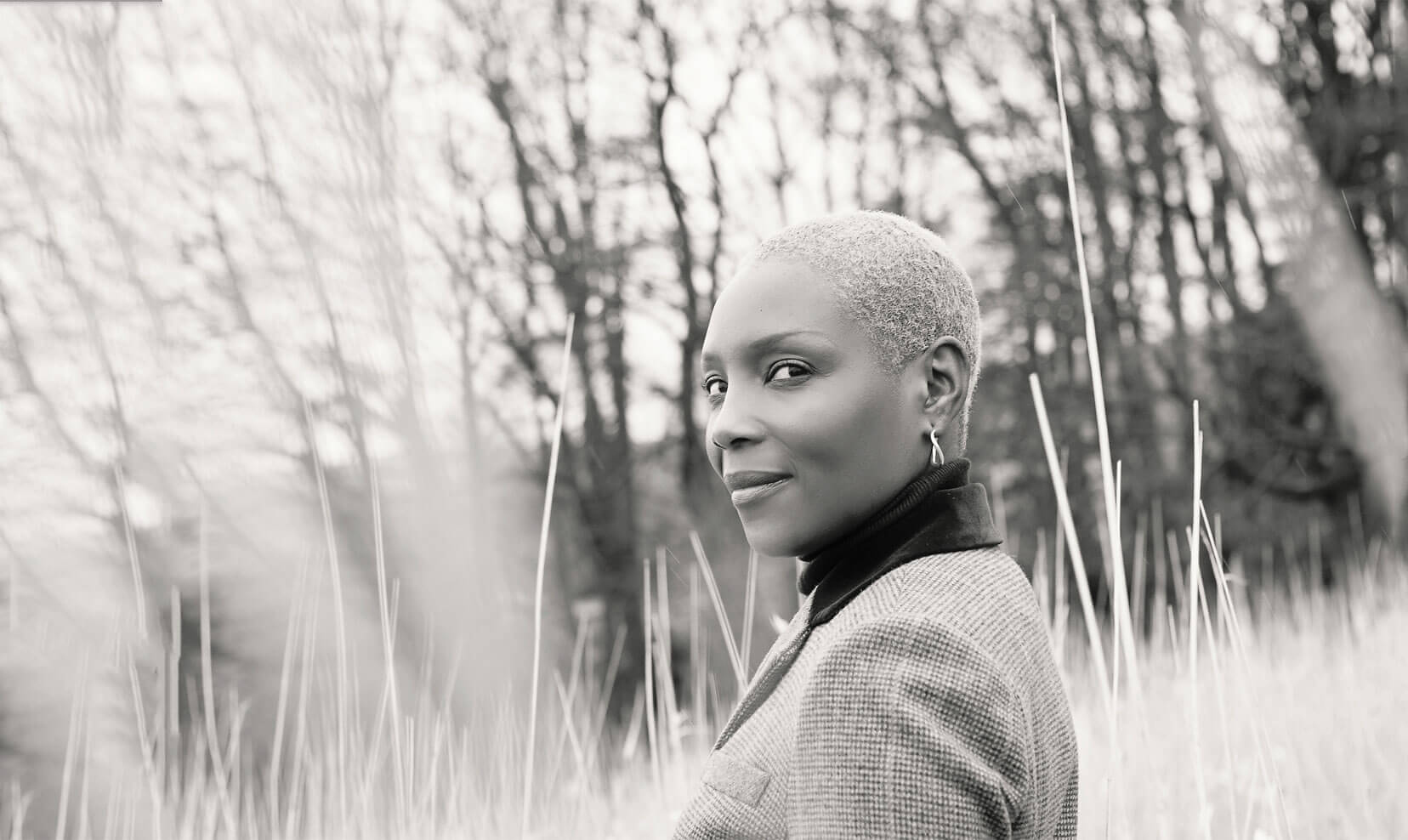
For me, this was never an anguished process of trying to remember rules or check settings. It was the opposite: a conscious letting go — working with intention, but also with abandon. A kind of dance, where photographer and subject move together, responding to one another in real time.
When I photograph a portrait this way, I can sense the shift taking place in my sitter as it happens. Something softens. Something opens. It’s harmonious, satisfying, and deeply rewarding. People almost always leave my sessions uplifted. I genuinely believe that commissioning a portrait with the right photographer can be one of the most affirming acts of self-recognition there is.
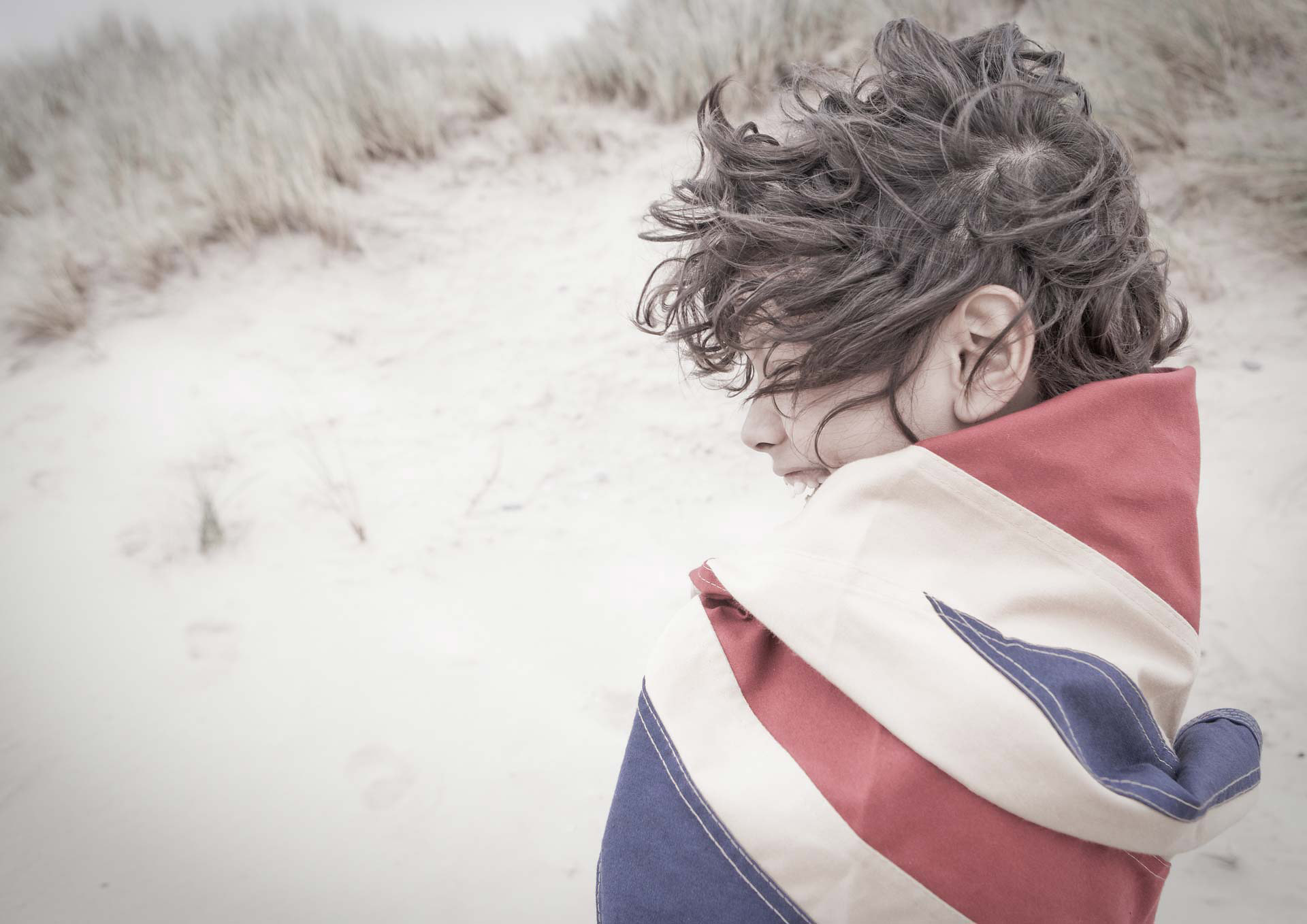
At the time, this approach ran counter to what was being taught and expected within the professional social photography industry. Medium format cameras, tripods, carefully staged group portraits — all taken from a fixed, predetermined point where the camera sat between photographer and subject. The results often felt predictable and lifeless to me.
Even in wedding photography, photographers were tethered to heavy equipment, limited to twelve frames at a time, with film costs discouraging responsiveness. It was a very different world — one that now feels almost unimaginable when considered against the speed and excess of contemporary image-making.
Today, we’ve swung to the other extreme. Endless frames fired rapidly. Thousands of images accumulated. Meaning diluted by volume. Somewhere between these two poles lies the place I still seek: a moment that is recognised, felt, and seized.
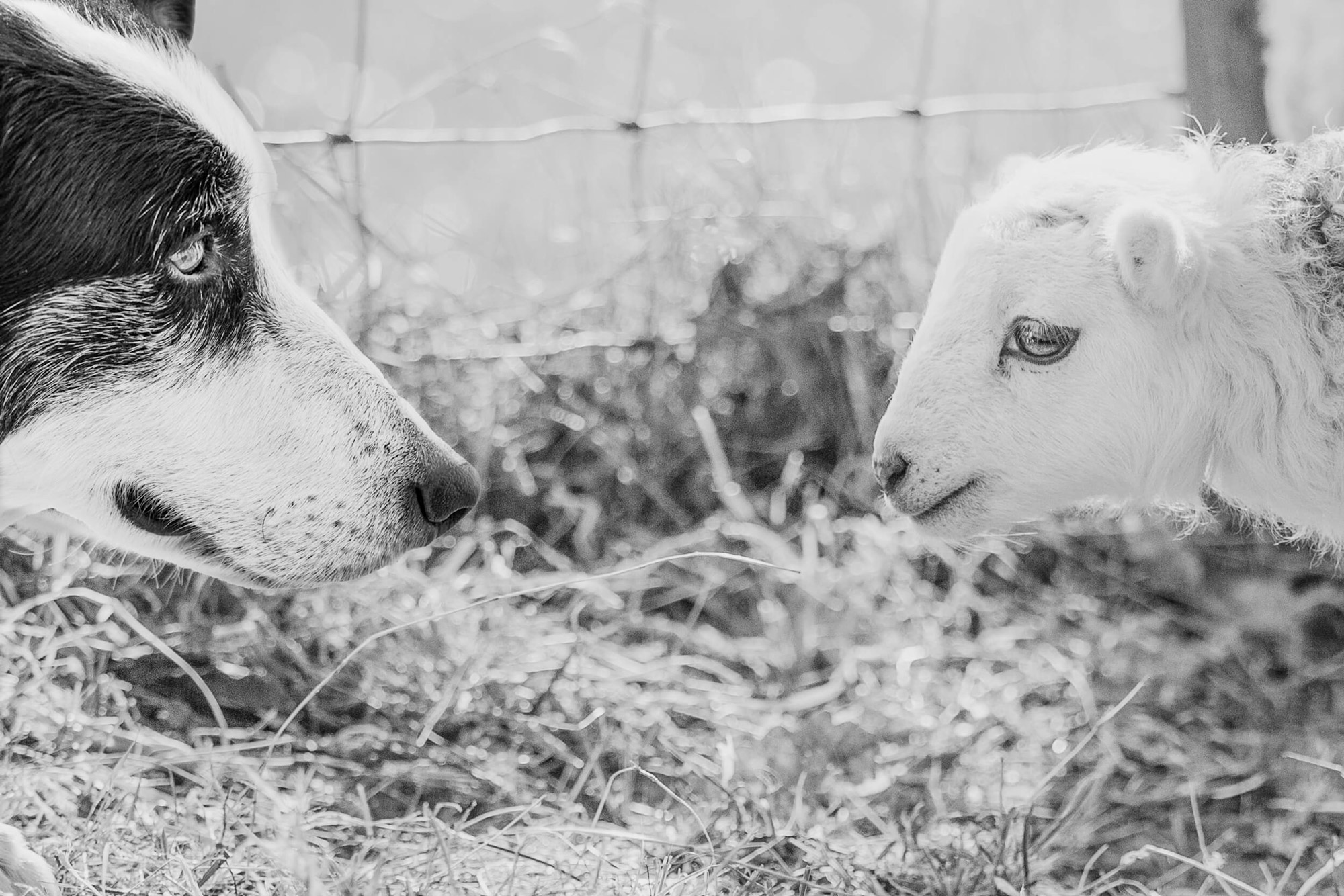
Henri Cartier-Bresson described this as the decisive moment. For me, it remains the quiet centre of my practice — where attention, intuition, and life meet.