
Some lessons stay with you long after the tools change.
When I first grappled with film as a fledgling student, what caught my attention immediately — more through fear than gentle learning — was that there were no second chances. You had one opportunity to get it right. Exposure mattered. Precision mattered. There was no winding the camera on and hoping for the best.
That discipline didn’t come naturally to a free soul like me, but it had to be learned early. Film and processing costs were unforgiving, and repeating shoots simply wasn’t an option. Nowhere was this more apparent than when working with E6 transparency film — beautiful, brutal stuff with zero tolerance for error. Blow the highlights and they were gone forever.
I’m not claiming mastery of the Zone System, but I did gain a firm, embodied understanding of light and how it behaves. And that was only the beginning.
Film taught me commitment. It demanded a decisive, gut-led moment — press the shutter now — and then acceptance. There was no analysing the image on the back of the camera, no instant reassurance. You made the photograph, and you moved on. Maybe to the next frame, maybe saving the remaining film for another time. No scattergun shooting. No certainty. Just trust.
That waiting changed everything. The image didn’t belong to you immediately — and that altered the relationship. Anticipation, reflection, and patience became part of the process. I remember the nerves of holding a 35mm cassette after what felt like a good shoot, hand-feeding the spool in total darkness, loading it with the tenderness of something fragile and precious. That not-knowing sharpened attention rather than dulling it.
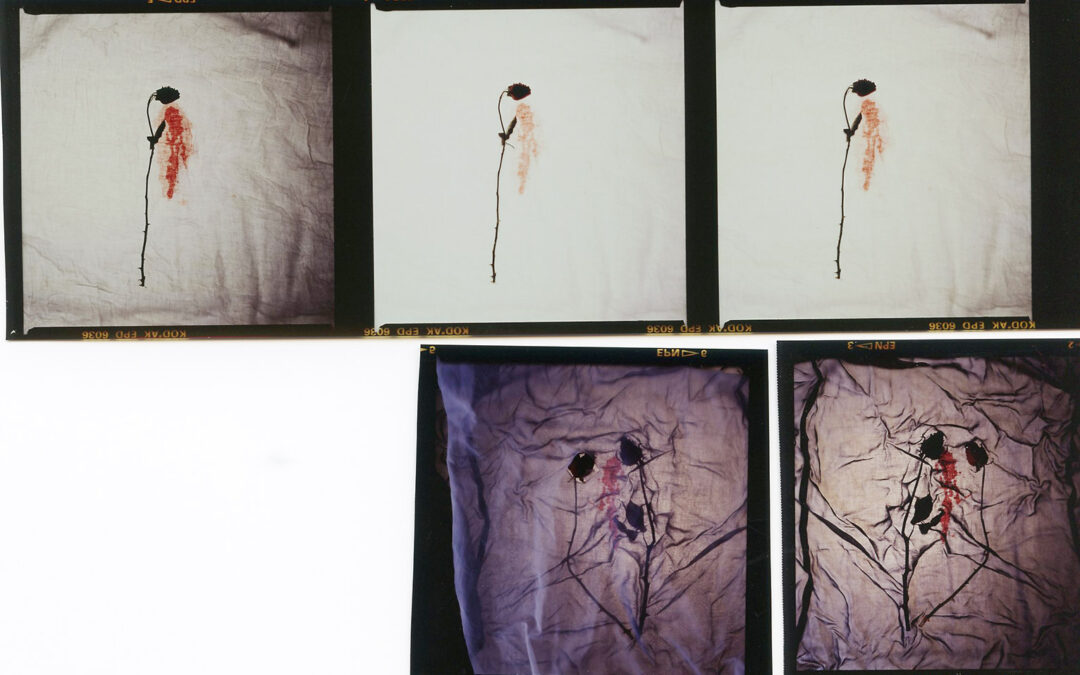
Film also taught me to think in sequences, not single frames. A contact sheet held possibility — a story unfolding across twenty-four or thirty-six images, seen together in full strips. The materiality of it all: negatives, prints, presence. Photography as something you handle, not scroll past.
And then there is the poetry. This is what I miss most. Grain, tone, the way film holds light — softly or harshly — depending on the stock you choose and how you process it. Every decision is made in advance, consciously and intentionally. Filters and tricks can imitate the look, but not the commitment behind it.
Digital has brought many freedoms, and I embrace them. But the lessons film gave me — patience, discernment, trust, and intention — have never left. They remain quietly embedded in how I see, long after the tools have changed.