
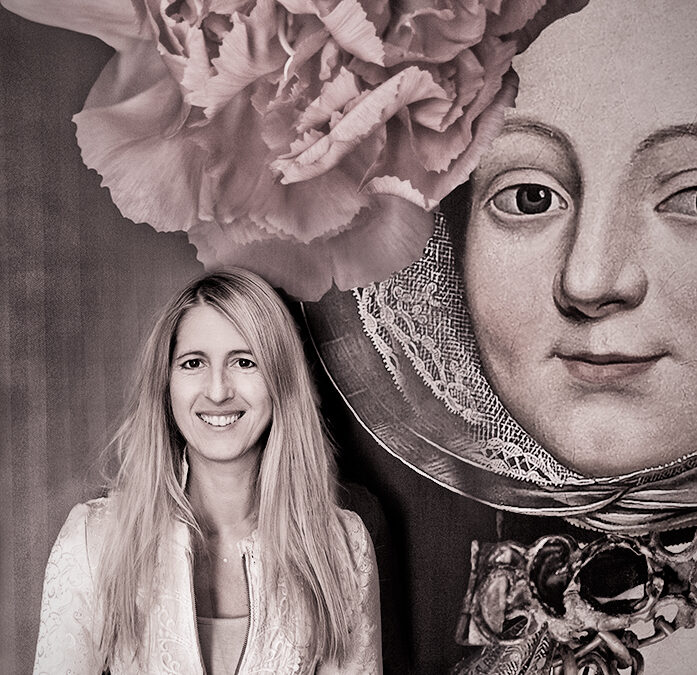
I chose portraiture because people matter.
Bearing witness to who someone really is — beneath the complex layers of lived experience — has always felt profoundly important to me. How people live their lives. What makes them happy. The objects they choose to keep close: the trinkets, the memories, the books, the clothes. These details often move me deeply. They speak quietly but clearly about identity, history, and belonging.
When I photograph someone, it feels like an act of recognition. A way of saying: I see you. I honour you. You matter.
Being invited to make a portrait is a privilege — one I never take lightly.
Over time — and particularly after more than three decades working in this genre — I’ve found myself reflecting more deeply on why portraiture matters so much to me. One realisation is rooted in my own experience of being adopted. Although I grew up with a loving mother, supportive grandparents, and two siblings, I always carried an awareness of difference — a sense of not quite belonging in the same way.
I’ve greatly simplified something complex here, and perhaps that story belongs elsewhere. But I believe that experience instilled in me a quiet urgency: a desire for people to feel seen, to know they are important, and that their presence in the world is intentional. I became fascinated by the details that make up a person’s unique story — and driven to preserve them.
This understanding deepened during a personal project I made of my grandparents, Beat and Fred, in my early twenties. I photographed them instinctively and carefully, capturing not only their portraits but the spaces and objects that shaped their everyday lives. Their reading glasses resting on a lace doily. The small details of a two-bedroom council house in Redditch that I knew intimately from years spent there.
At the time, my family found it amusing — even puzzling — that I was photographing everything. I didn’t fully understand it myself. I only knew it felt necessary.
Now, with Beat and Fred no longer here, the value of that work is unmistakable. Those images hold more than memory; they hold presence. They bear witness to lives lived fully and quietly, and to the love that shaped them.
Portraiture, for me, holds time.
It says: I was here. I mattered.
And for those who come after, it becomes something precious — a way to remember, to recognise, and to belong.