Learning by Making

Learning by Making

There is a kind of learning that cannot be thought through in advance.
It has to be felt. Touched. Lived in the hands.

Returning to making — properly making — has reminded me of this in the most grounding way. Not as a concept, but as an embodied truth. When I work with unfamiliar materials, thinking loosens its grip. Control softens. Something else takes over.

This is where learning actually happens.

I have spent decades working with a high level of technical fluency. That experience does not disappear when I step into new territory — it hums quietly beneath the surface. What has shifted is my relationship to outcome. I am no longer trying to resolve ideas immediately. Instead, I allow them to arrive through action.
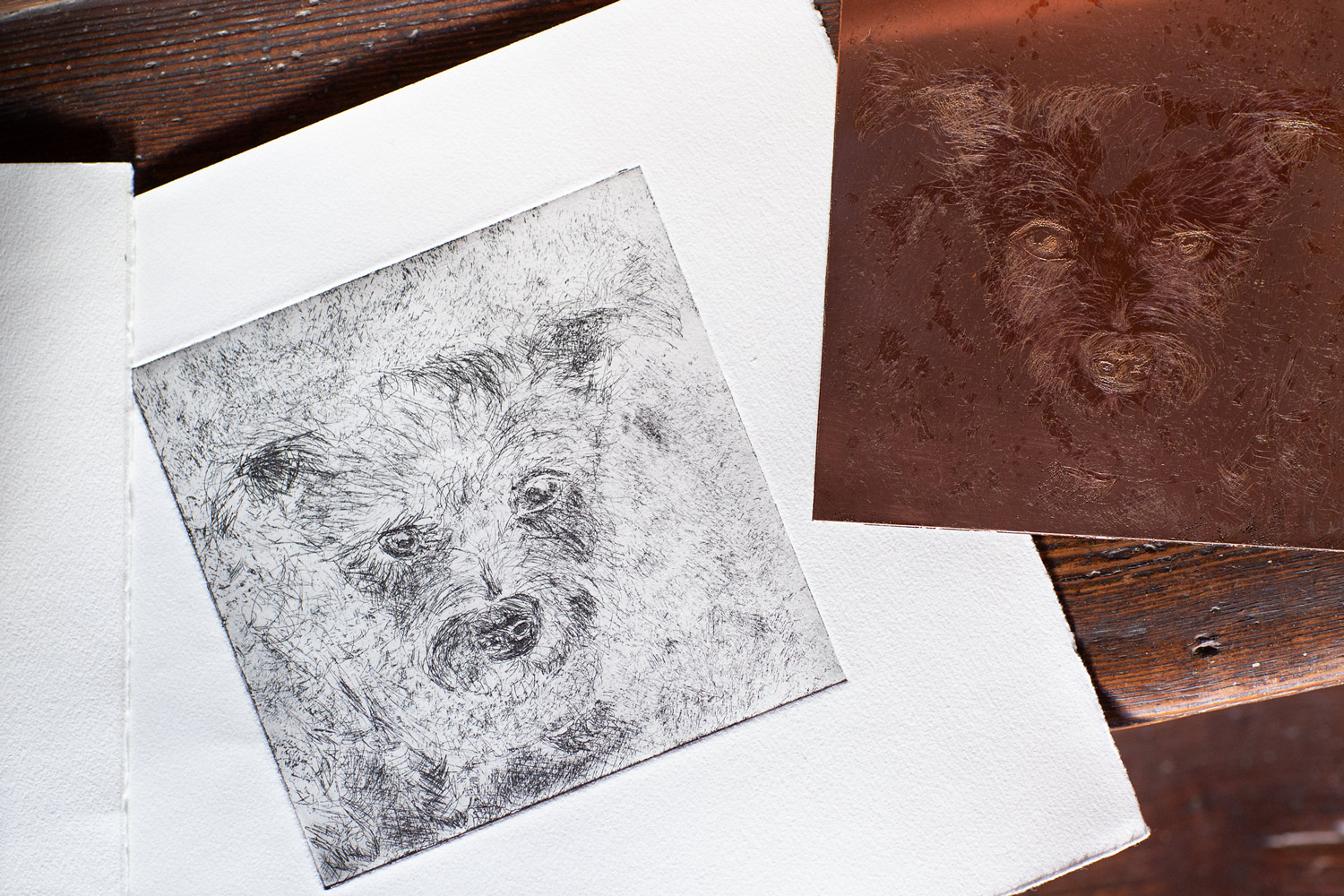
Etched copper plate with visible etched marks, printed in black ink onto fine art paper, shown as part of an in-process printmaking workflow.

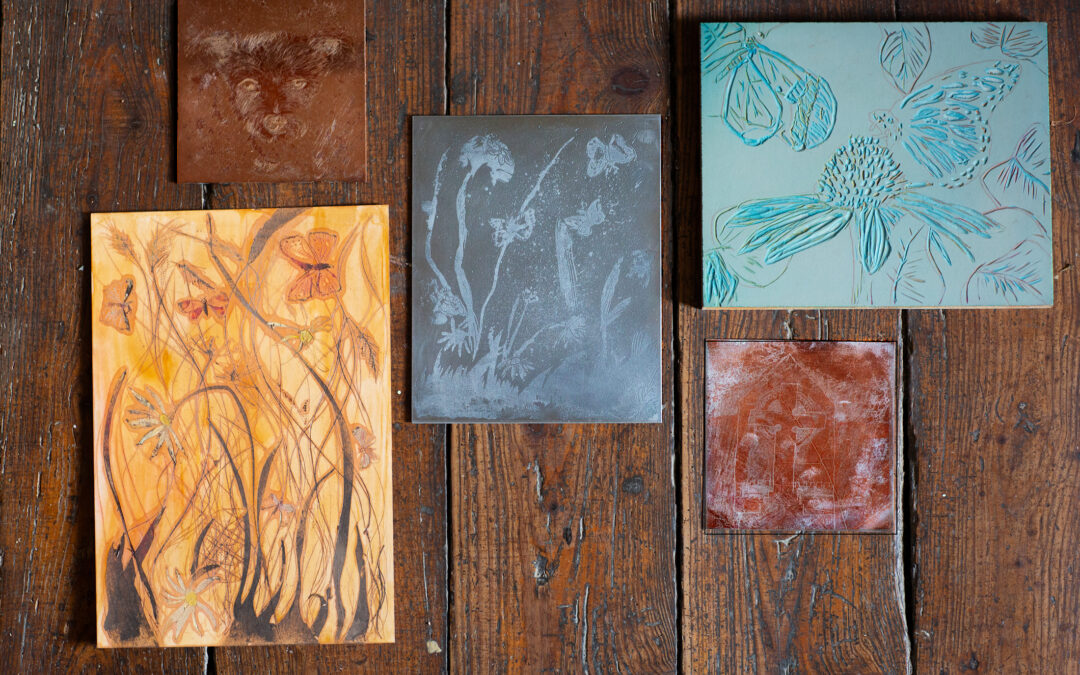
Working with lino, copper, zinc, paper, and ink — materials that resist, respond, and surprise — has been humbling and exhilarating in equal measure. Each surface demands attention. Each mark carries consequence. There is no shortcut to understanding; the material teaches as it is handled.

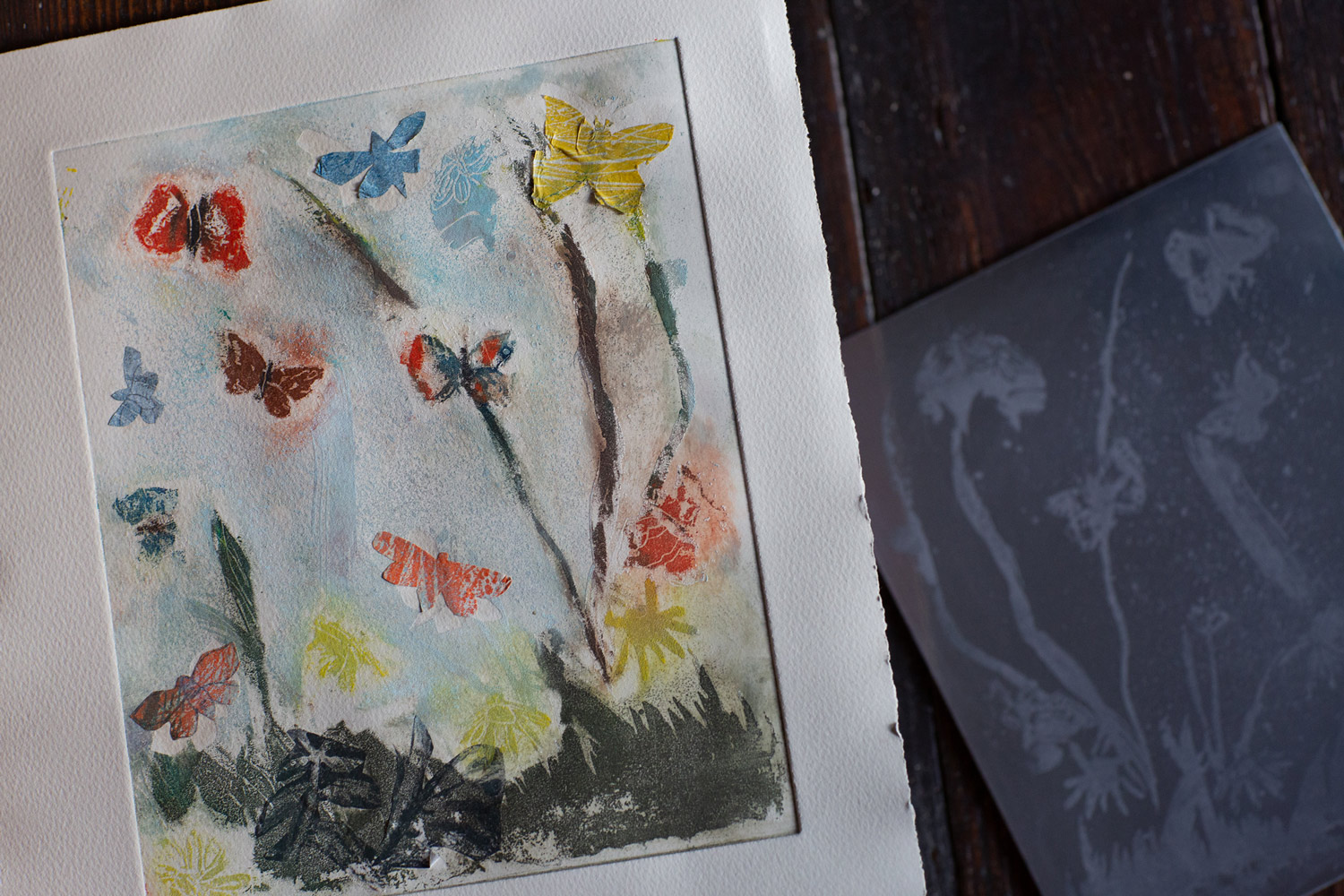
Cardboard printing plate scratched by hand, sealed with button wax, and printed multiple times using different coloured inks.
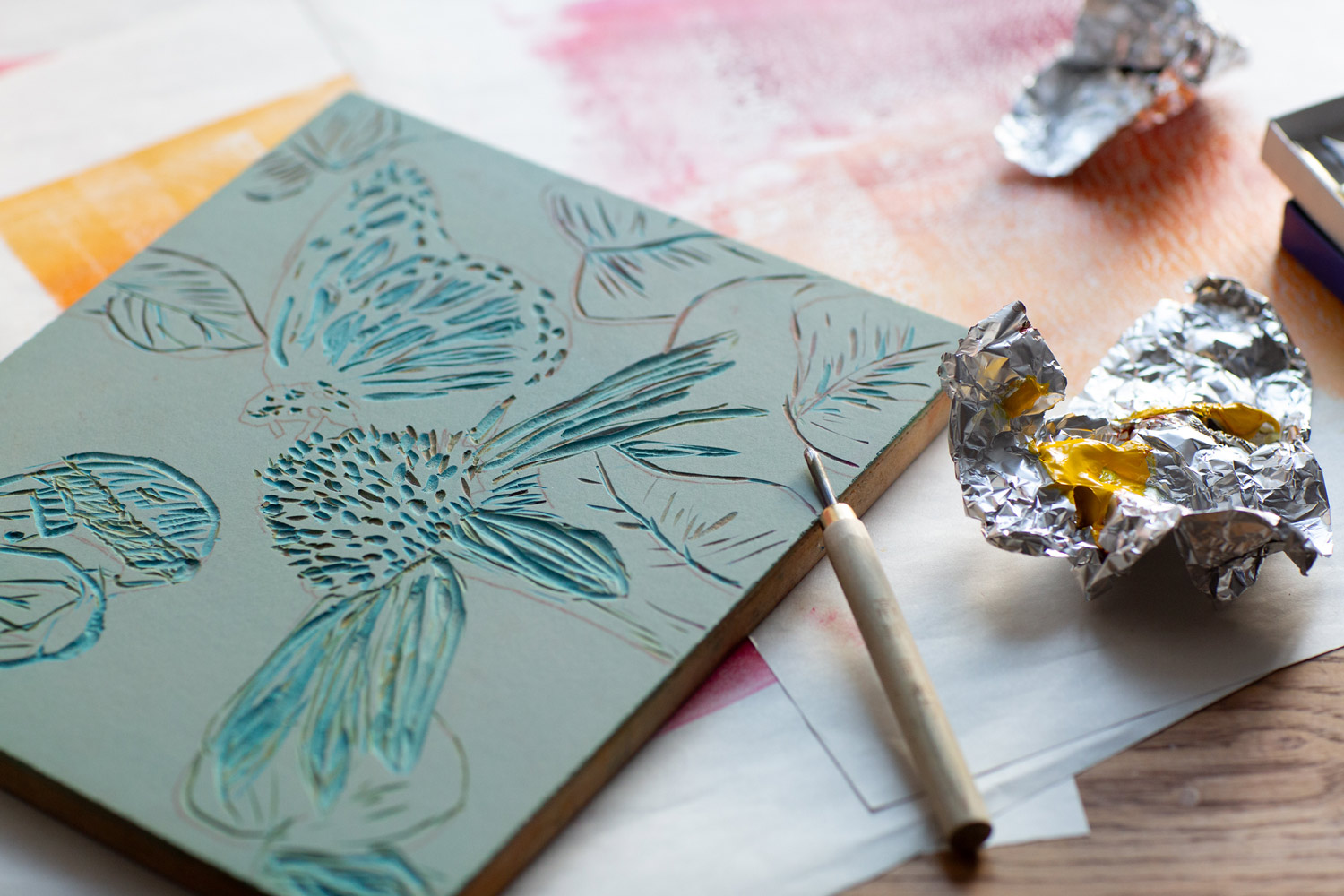
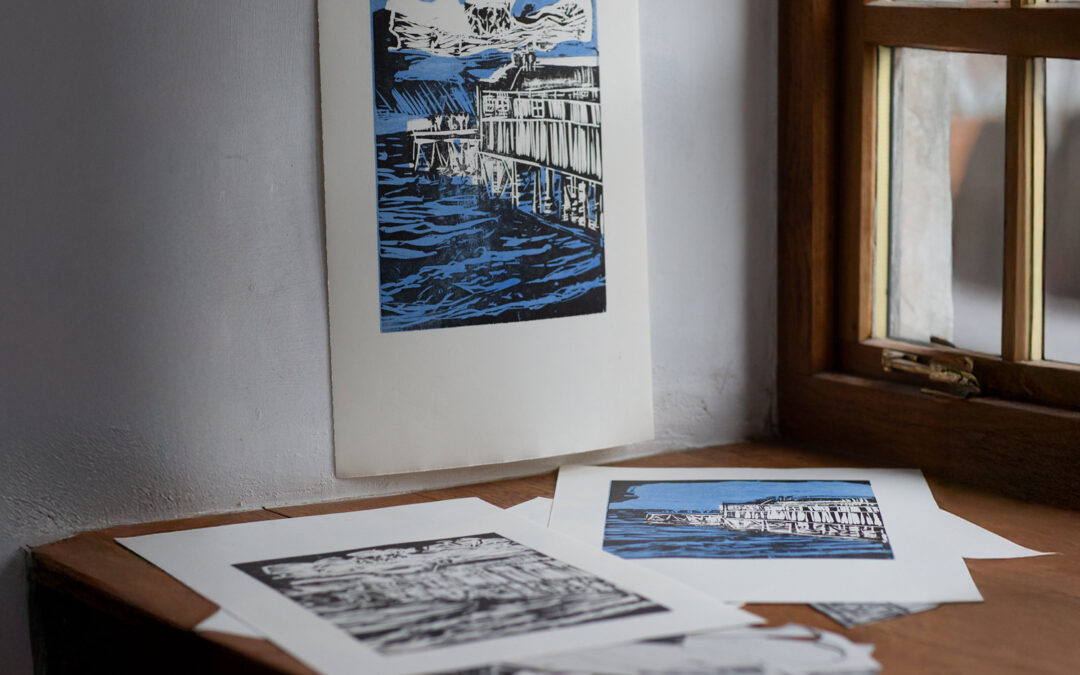
Lino suicide plate partway through the printmaking process, showing layered carving and coloured ink.
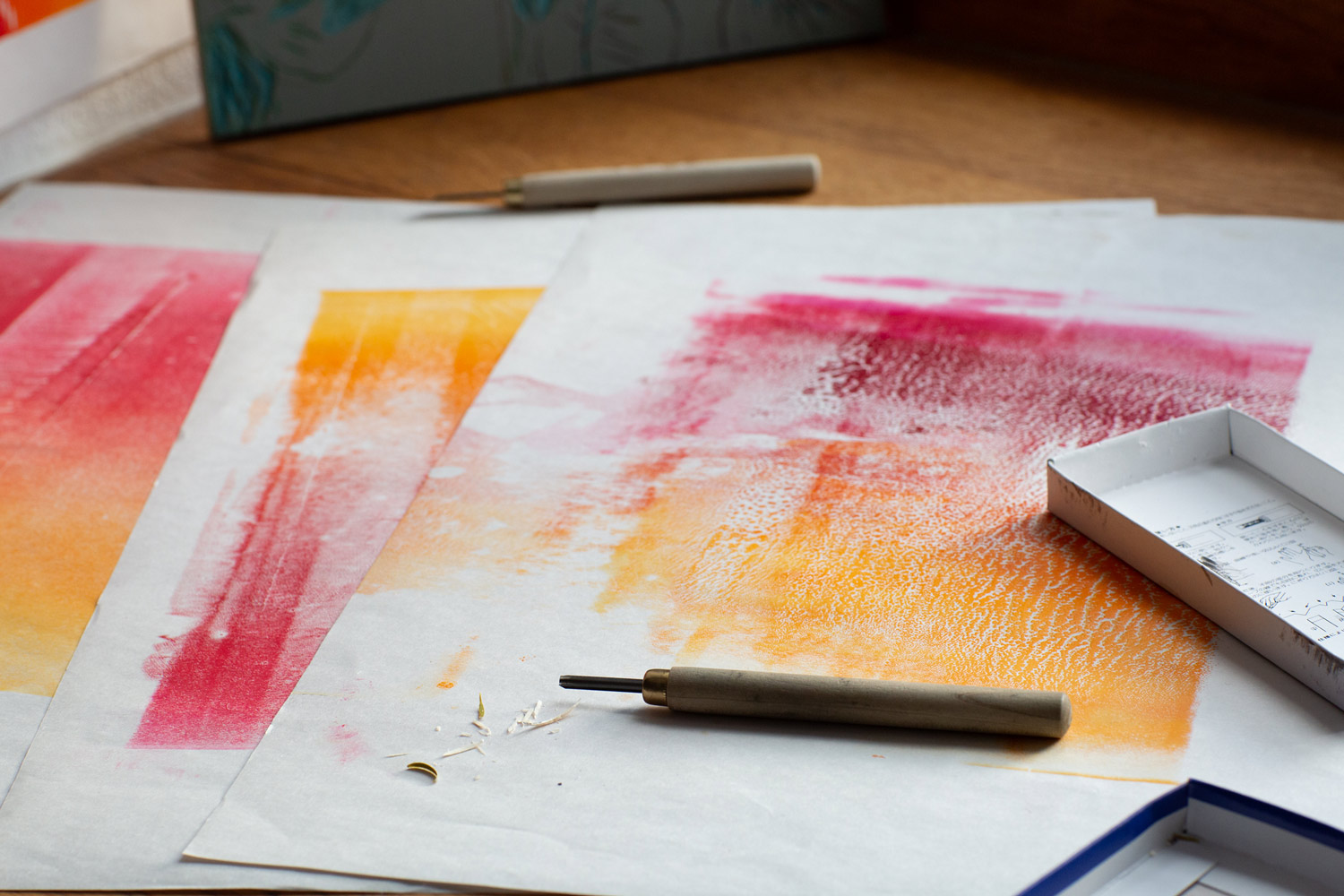
Printmaking cutting tools and coloured ink rolled onto test paper during an experimental printing process.
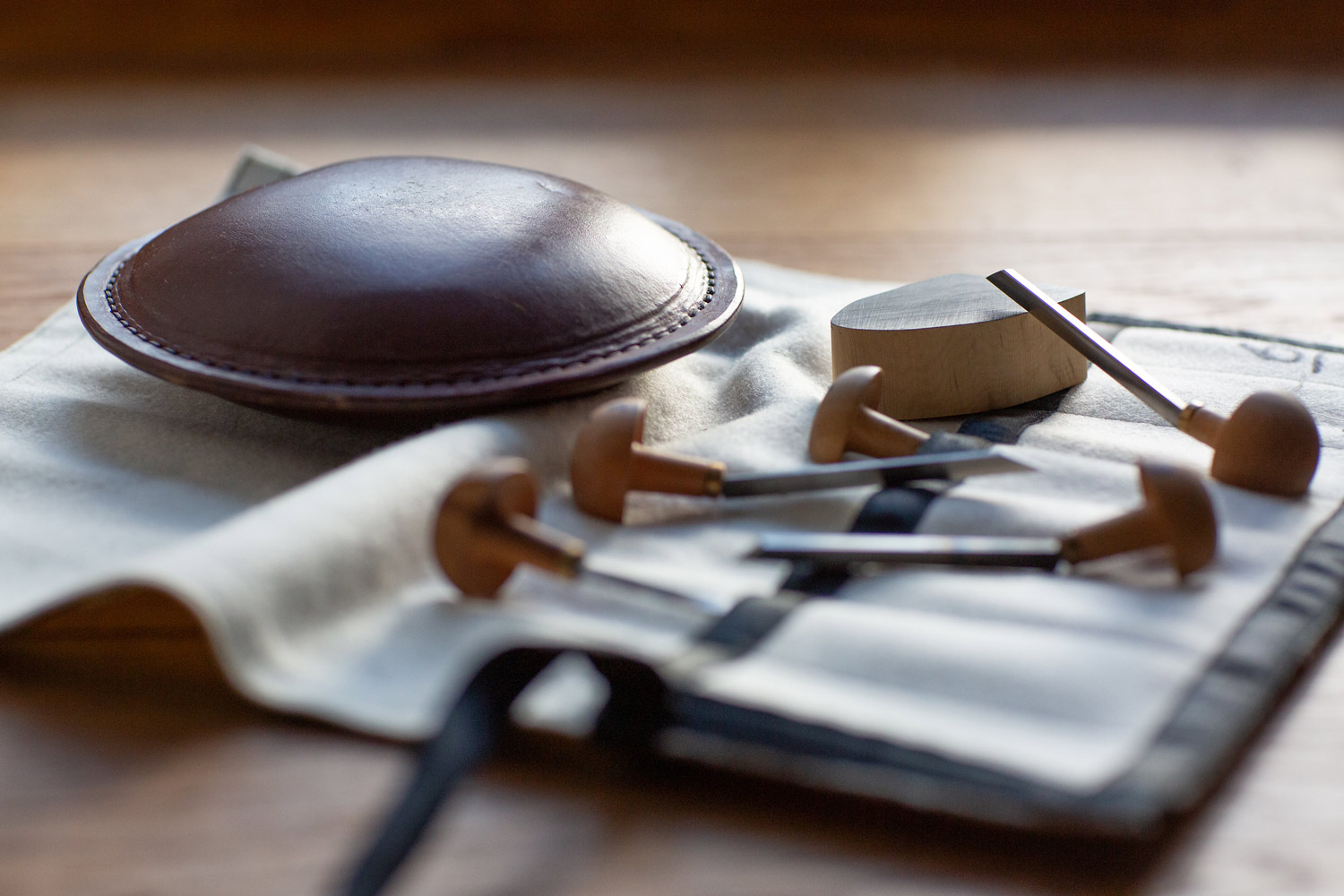
Woodcut tools, a leather turning circle, and a small wooden block arranged on a work surface.

This way of working feels refreshingly honest. There is no performance of certainty. No need to justify decisions before they are fully formed. Instead, there is a dialogue — between hand and surface, instinct and resistance.

I am reminded that photography, too, was once learned this way. Through repetition. Through failure. Through staying close to the work long enough for understanding to arrive. Mistakes are not interruptions here. They are information.
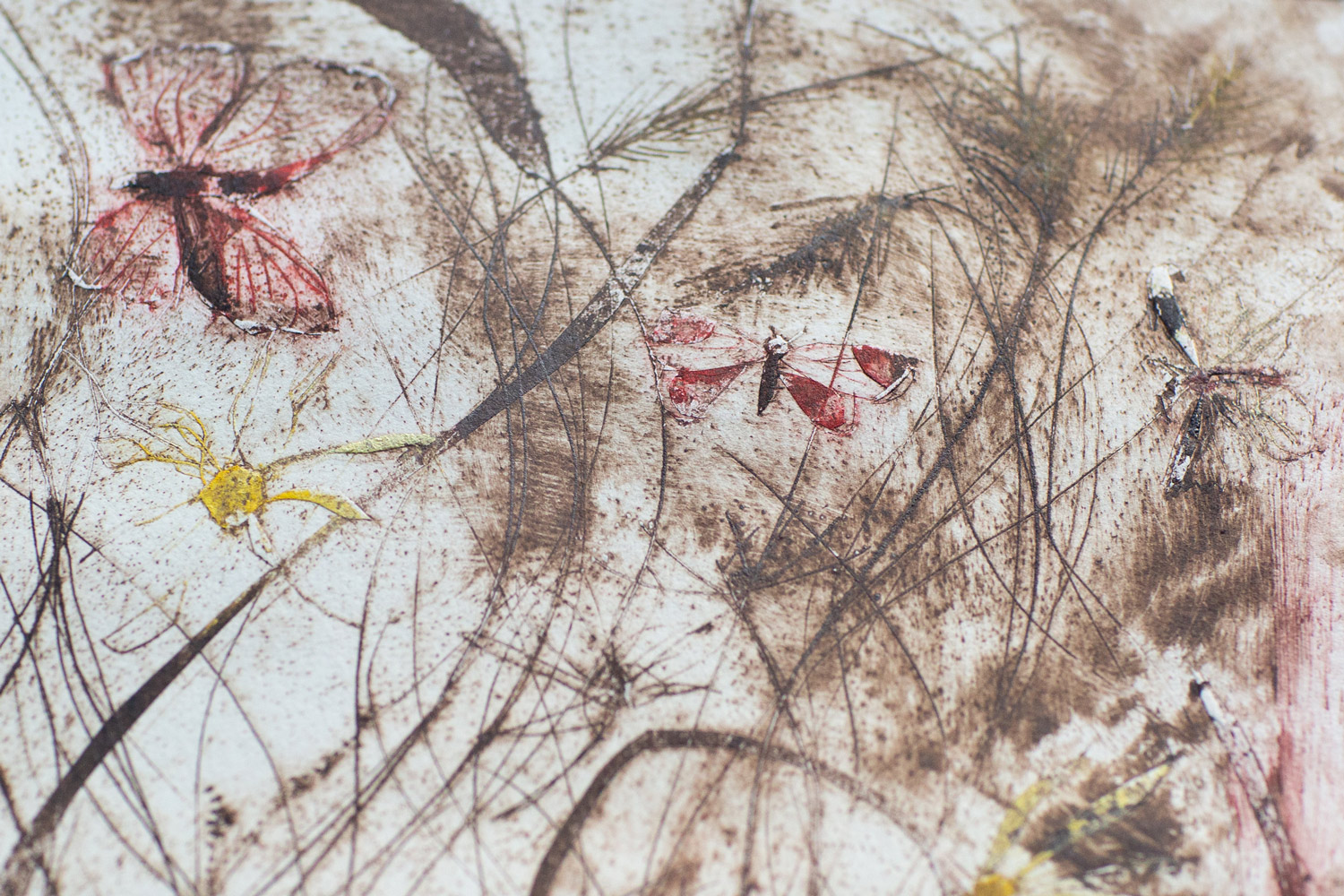
Alt text Close-up of an experimental etching printed with three different coloured inks, showing layered marks and overlapping lines.

What matters most at this stage is not what the work is, but what it is teaching me — about pace. About attention. About trust. About letting go of polish in favour of presence.

There is a quiet confidence in allowing myself to be a beginner again — not because I lack experience, but because I no longer need to prove it.

This is learning by making.
And it feels like coming home.

I find myself working in sequences rather than singular pieces — printing, reworking, altering pressure, changing inks, scraping back, starting again. What emerges is not refinement in the traditional sense, but awareness: of what the material wants, and what I am asking of it.
Beginner Again

Beginner Again

Becoming a beginner again has been one of the most liberating decisions of my career.

What a relief it is not to have all the answers. To stop fixing. To be able to say, I don’t know — and mean it without discomfort. Returning to beginner energy has given me full permission to experiment without outcome, to get things wrong, and to let learning unfold organically.

It has allowed me to move beyond old limitations — both my own and those inherited from others. What excites me most is the return to making with my hands. To physicality. To material presence.

I’ve secretly longed to paint on a large scale for years — of what, I couldn’t say — but in meditation I’ve often seen myself doing it, feeling a deep sense of harmony, flow, and peace. Now, I’m finally allowing that impulse to exist without explanation.

I’m challenging old paradigms with joyful defiance — and it feels wonderful.

Working with unfamiliar materials has been exhilarating. Scratching marks into copper, zinc, wood, and lino. Rolling messy ink onto plates and paper. Handling the most beautiful art papers — the kind that instantly signal alignment and care. Entering the art shop at the School of Art feels like coming home, even if it requires a great deal of self-restraint.

Multicolour print created from an aluminium plate, with layered colours applied by hand using a muslin cloth

There is something deeply satisfying about slowing down, following instinct, and letting the materials speak back. And then there’s the return to the darkroom — renewing my relationship with analogue processes, and stepping into alternative techniques with curiosity and respect. Old friends, new conversations.

What makes this moment particularly rich is the coexistence of experience and openness. Thirty years of photographic craft sit quietly beneath the surface, supporting curiosity rather than constraining it. I am working with intention, staying open, trusting myself — and allowing not knowing to be part of the process.

This feels like a beginning, not because I am starting over, but because I am starting honestly.

What a time to be alive.

This reflection continues in Learning by Making

Why I’m Still Here

Why I’m Still Here

There comes a point where staying matters as much as starting.

When I first began my career as a photographer, it wasn’t part of some grand plan. In fact, after travelling, I took a short stint working in the AA relay office at their headquarters — a practical decision to earn money, pay off a credit card, and work out what I was meant to do next.

That experience changed everything.

I hadn’t realised how completely I had surrounded myself with creative people until I found myself in what I can only describe as a real job, with real systems, routines, and expectations. I simply wasn’t cut out for it. I was too sensitive. It felt as though my soul was quietly shrivelling up inside.

That moment brought a clarity I hadn’t known before. A sharp focus. A gritty determination I didn’t realise I possessed. I knew, deeply, that I was here to create — and that failing wasn’t an option. I had to find a way not just to make photography work, but to build a life where I could truly thrive. An empire, if only in my own mind.

Fast forward, and here we are.

I can’t help myself — I still see in 35mm. I’m always framing, noticing, witnessing. Photography quietly pulls me back, again and again. It isn’t something I do so much as something I am.

What has changed — and what hasn’t?
Everything, and nothing.

The way I work has evolved. Digital has brought many advantages, particularly when photography is your livelihood. But what has remained constant is the pull to witness and capture this beautiful, complicated world we are fortunate enough to live in.

The biggest shift now is internal. I feel no need to prove myself. The questions that matter are no longer about recognition or achievement, but about meaning. About truth. I allow myself to pause and ask: What do I really think about this now?

There is great relief in loosening my grip on old ways of working, old beliefs, old markers of success. I no longer need to hold on to the past — the awards, the expectations, the definitions.

Now, I get to be curious again. Fully present. Fully myself.
And, wonderfully — joyfully — free to play.

That is why I’m still here.

Is Photography Dead?

Is Photography Dead?

Every so often, the question resurfaces: Is photography dead?
Usually prompted by the rise of smartphones, social media, or the sheer volume of images we now produce and consume daily.

On the surface, it can feel as though photography has become ubiquitous to the point of exhaustion. Images are made constantly, shared instantly, and forgotten just as quickly. The act of photographing is no longer rare, nor is access to the tools that make it possible.

But ubiquity is not the same as meaning.

Photography, for me, has never been defined by technology alone. It is defined by attention. By intention. By the relationship between the maker, the subject, and the moment being witnessed. Those things cannot be automated, regardless of how advanced the tools become.

What has changed is the pace. Speed has replaced patience. Quantity often outweighs discernment. The effort now lies not in making images, but in slowing down enough to really see them — to decide which ones matter, and why.

In that sense, photography isn’t dead at all. It is simply asking to be practised differently.

Meaningful photography still requires presence. It asks the photographer to notice what others might overlook, to wait, to respond, to care. It asks for responsibility — to the subject, to the image, and to the story being told. These qualities cannot be replicated by volume or convenience.

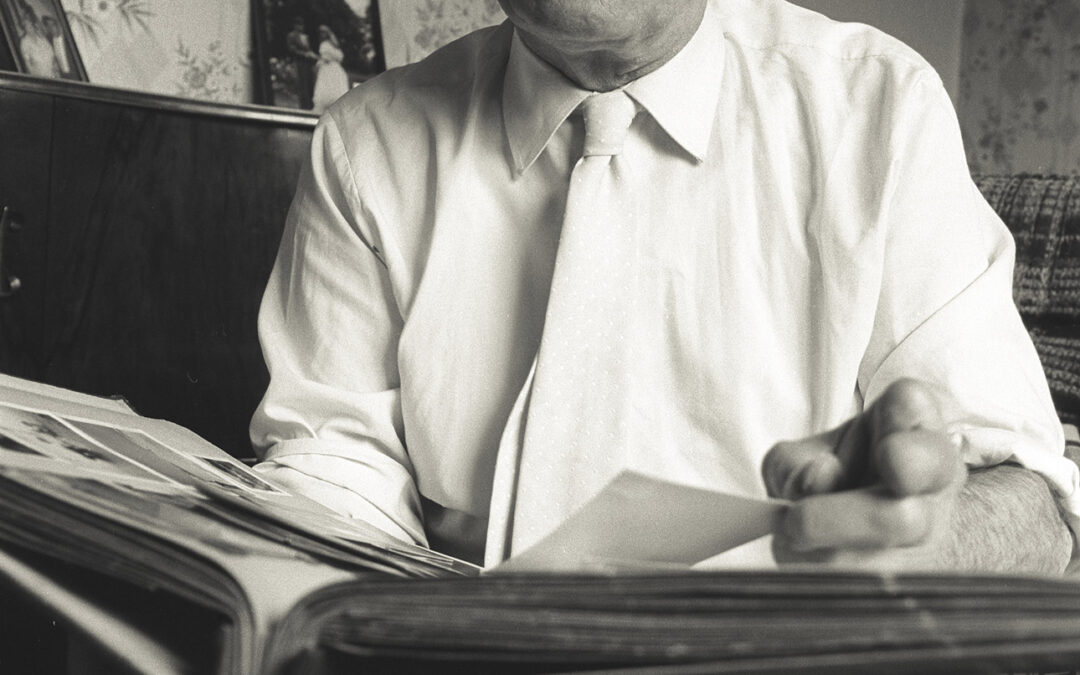
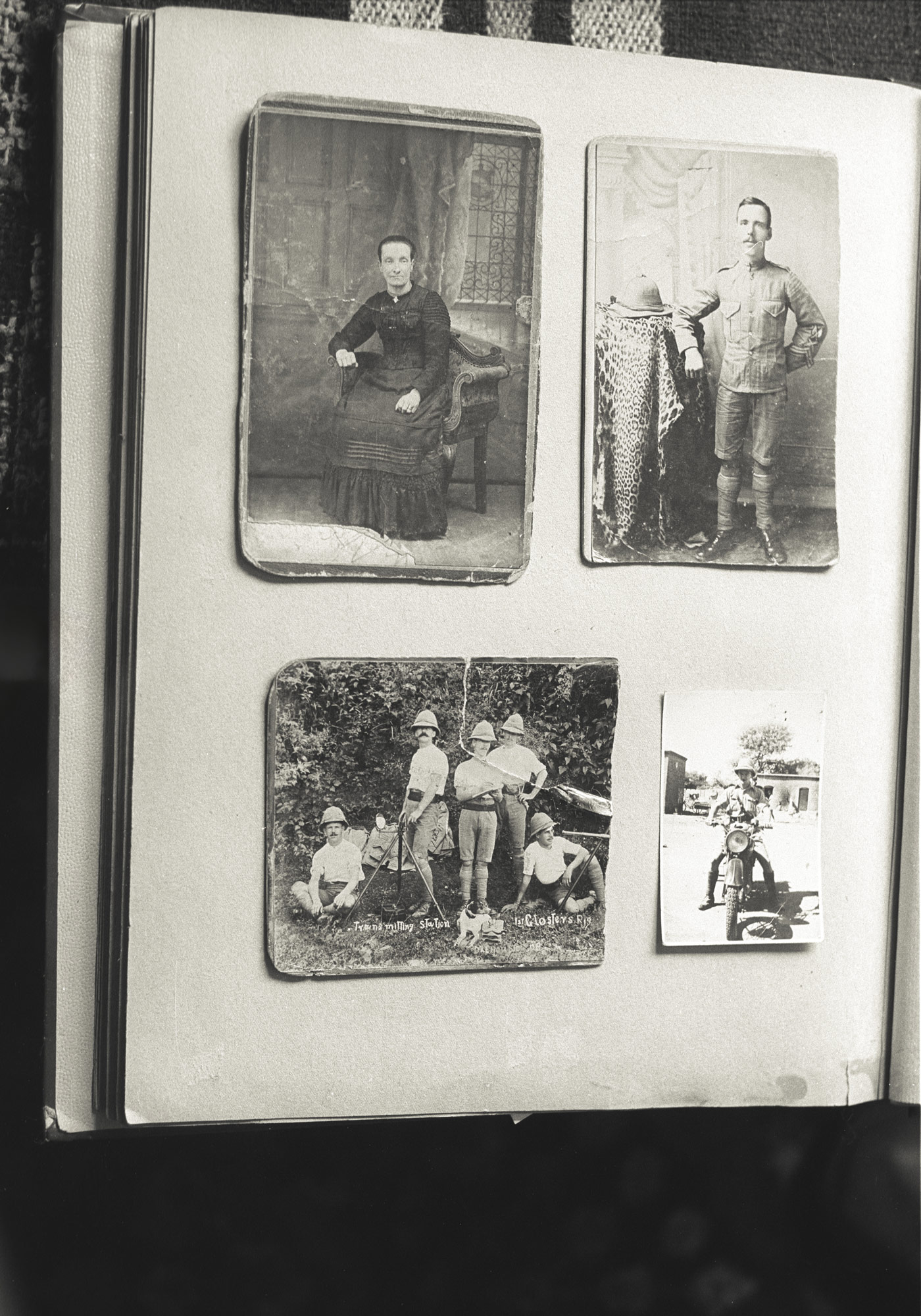
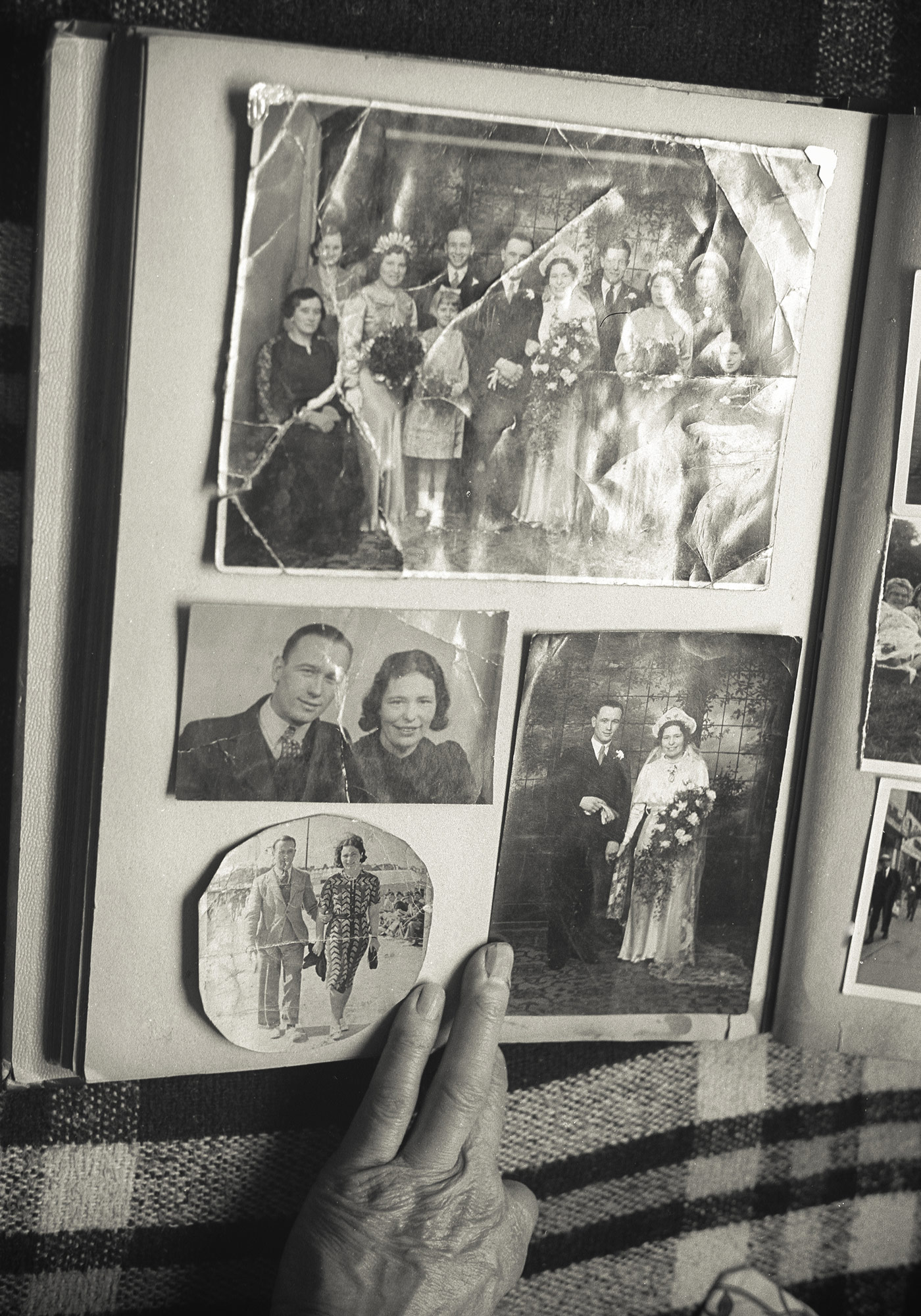
surrounded by albums and prints.

These photographs were made while sitting with my grandfather, Fred, as he handled and spoke through his family albums. He is no longer here, but the photographs hold his presence — not as nostalgia, but as evidence of what photography can carry.

If anything, the saturation of images has clarified what truly endures. Photographs that hold weight — emotional, historical, personal — rise quietly above the noise. They are returned to, lived with, and passed on. They are not consumed; they are kept.

So no, I don’t believe photography is dead.

I believe it is evolving.
And perhaps, in a world of speed and excess, it matters more than ever to practise it with intention, integrity, and care.

On Slowing Down

On Slowing Down

In a culture of speed, I am increasingly drawn to slowness.
Not in a trending, hashtag kind of way — but as a necessary and deliberate choice.

Taking time now feels essential. Immersing myself fully in my practice, and sitting with new thinking, knowledge, and possibility through the MA, has created space to exhale. Space to focus. Space to consider what the next chapter of my work truly needs to be.

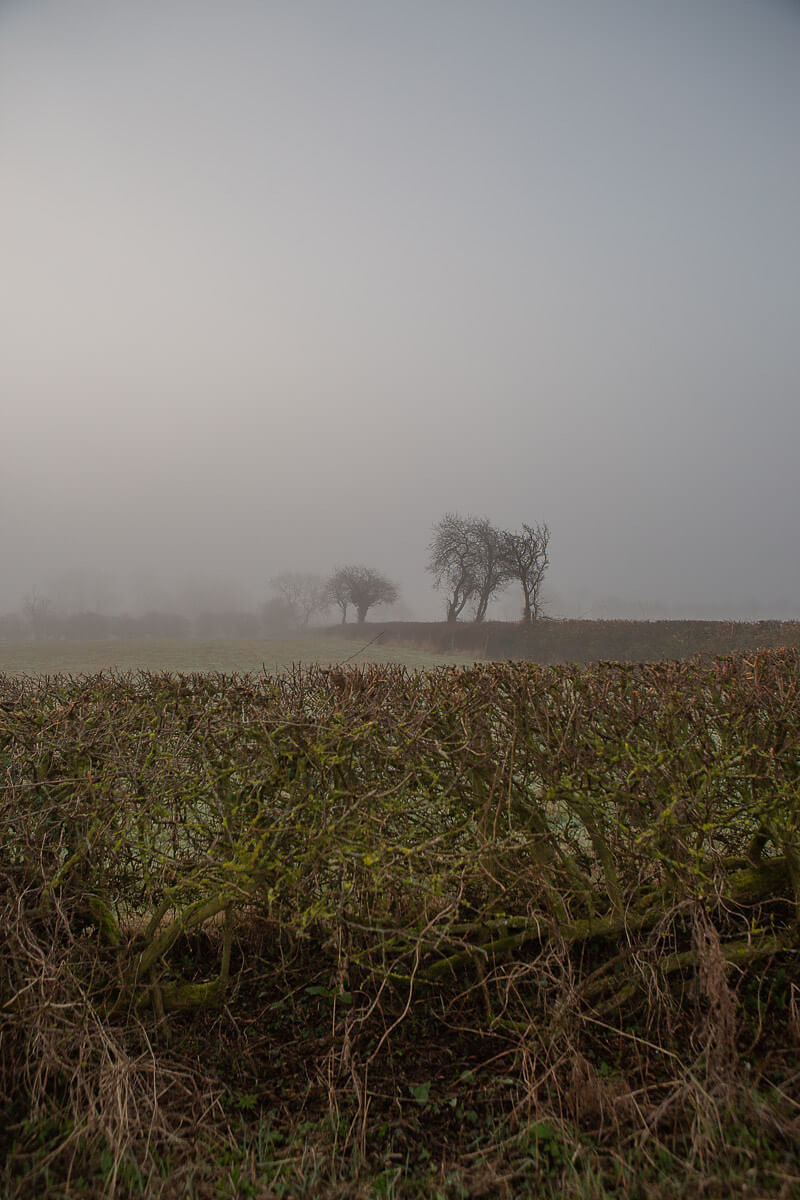
Misty rural landscape with hedgerow and distant trees fading into fog

We live in a world of constant noise. From the moment we wake to the moment we fall asleep, our attention is pulled in countless directions. Screens saturate us with information, opinions, and imagery, slowly diluting original thought. As a sensitive person, I have felt how easily this overstimulation can blur clarity and pull me away from my centre.

Competing in a culture of volume — of who shouts the loudest to be seen — is the opposite of where my practice lives. It simply isn’t where I belong.

Slowing down has allowed me to work more intentionally. I no longer feel the need to solve every creative problem the moment it appears. Instead, I give myself permission to sit with things — to let ideas take shape, to act from a place of connection rather than urgency. This feels like alignment. Like truth.

This is also a time of finding my voice — and allowing myself to use it. My expanding art practice has become the vessel for that exploration. After years of being tethered to a desk, with a screen as my primary tool, I find myself yearning for materiality. For touch. For scale. For the physical act of making.

Rather than repetitive, precise movements on a tablet, I want to work with my hands. To explore unfamiliar materials. To mix media. To play without expectation. To trust the process, even when the outcome is uncertain.

Allowing myself to make work that isn’t perfect is a real challenge — and a necessary one. After decades of producing polished, high-standard commercial work for clients, I am now extending that same care and seriousness to my own creative life. The difference is that here, the value lies not in control, but in discovery.

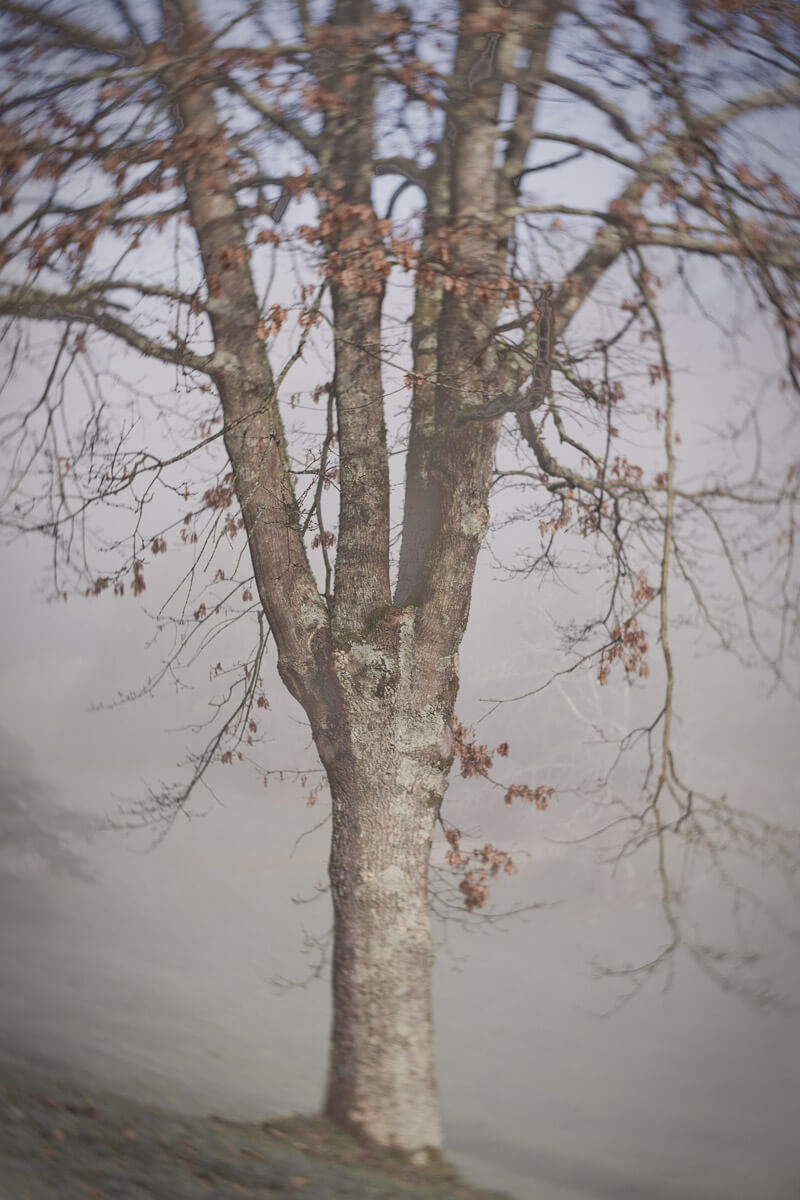
Softly blurred tree emerging through mist with an atmospheric, dreamlike quality

I find this both exciting and exhilarating.