
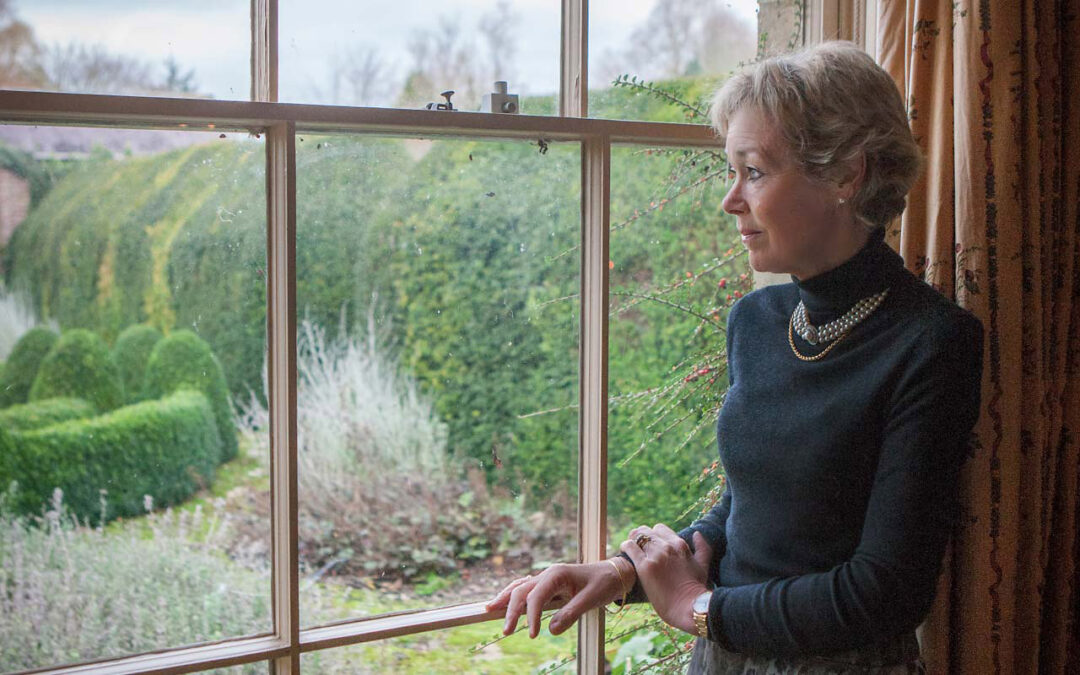
Sometimes working against the grain isn’t rebellion — it’s listening.
When the digital revolution swept through the portraiture industry, heralded as the future and saviour of photography, I found myself unexpectedly reluctant. Not because I resist change — change can be pivotal for growth — but because of what it made possible. Or rather, what it encouraged.
Almost overnight, every wrinkle, blemish, and mark of a lived life could be erased. Faces were smoothed, polished, perfected. To me, those so-called imperfections had always spoken of something deeply human: experience, time, survival. Living and ageing are privileges, and the traces they leave behind matter.
The social portraiture market shifted rapidly, and with it came a frenzy. People were transformed into glossy versions of themselves — plastic, uniform, almost avatar-like. What troubled me most was not only the industry’s direction, but how quickly even my previously grounded, gracious clients were swept along by it. I found myself being asked to remove missing teeth from grandparents, to close windows in hotel receptions, to iron away any hint of reality. It felt jarring. I began to wonder when we had collectively lost our sense of self in pursuit of an impossible ideal of perfection.
That isn’t to say digital techniques have no place. I have used them, and I still do — but always with discernment. There are moments, such as photographing a deeply self-conscious teenager, where gentle intervention can make a meaningful and positive difference. The key, for me, is intention. I tune into my moral compass and act accordingly.
One way this shows up in my work now is in how I handle digital files. Modern cameras are extraordinarily unforgiving — 54-megapixel raw files that render every pore and detail with a harshness we were never meant to see. The human eye doesn’t experience people this way. We see movement, breath, softness. We encounter one another as living, fluid beings.
So I soften where it feels right. I make conscious choices. I use digital tools not to erase truth, but to return to it.
With age and experience has come the confidence to work unapologetically in this way. Some clients will recognise themselves in this approach and come along willingly. Others won’t — and that’s okay. They are simply not my people.
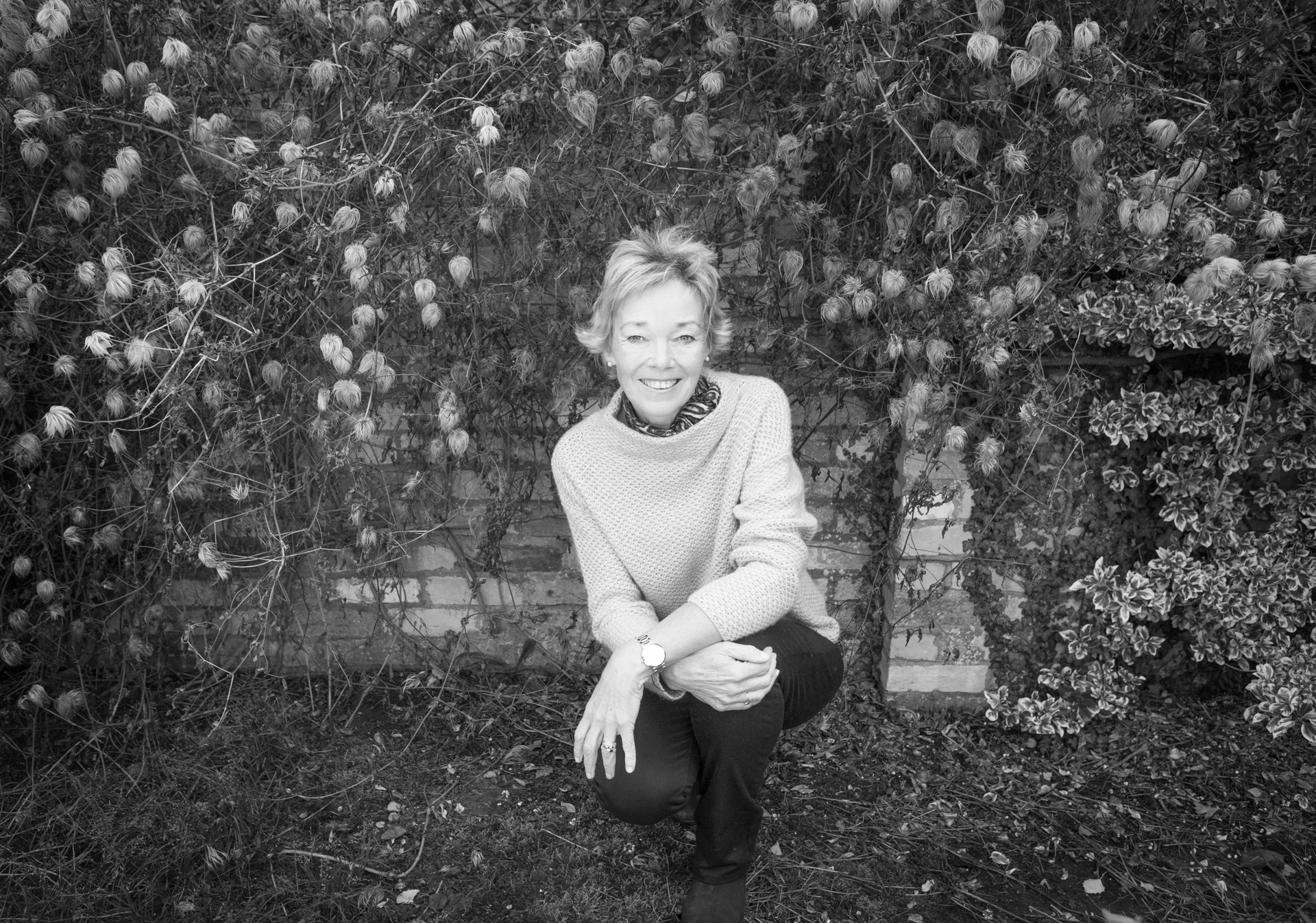
What once felt like working against the grain now feels like alignment.
The work has always known where it was going.