Why I Chose Portraiture

Why I Chose Portraiture

I didn’t always understand why I was drawn to certain details when photographing people. I only knew that my attention kept returning to the quiet things — the spaces they inhabited, the objects they lived alongside, the traces of a life held gently in place.

When I photograph someone, I’m not only interested in their likeness. I’m interested in what surrounds them. How a room is worn into familiarity. What is kept close. What has been touched often enough to soften with use. These details are never incidental. They speak — quietly, but clearly — about identity, memory, and belonging.

Being invited into someone’s world with a camera carries responsibility. It asks for care, patience, and restraint. Portraiture, for me, is not about extraction but about presence — about noticing what is already there and allowing it to remain intact.

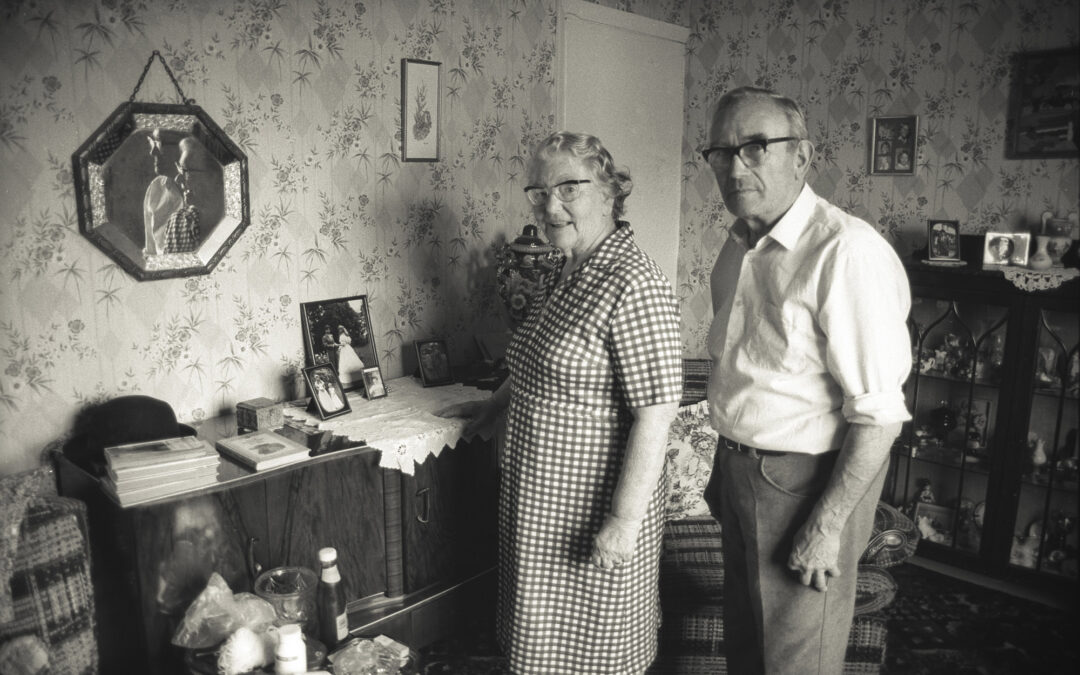
This way of working became especially clear during a personal project I made of my grandparents, Beat and Fred, in my early twenties. I photographed them instinctively, moving between their portraits and the intimate details of their home. Their reading glasses resting on a lace doily. The familiar surfaces of a small two-bedroom council house in Redditch that had shaped my understanding of comfort and routine.

At the time, my family found it curious — even faintly amusing — that I was photographing everything. I didn’t have the language to explain it. I only knew it felt necessary to record not just who they were, but the world they moved through each day.

Now, with Beat and Fred no longer here, I understand that instinct more clearly. Those photographs hold more than memory. They hold presence. They bear witness to lives lived quietly and fully, and to the love embedded in ordinary things.

Portraiture matters to me because it allows time to settle.
It makes space for recognition.
And it offers something lasting — a way of remembering, of honouring, and of staying connected.
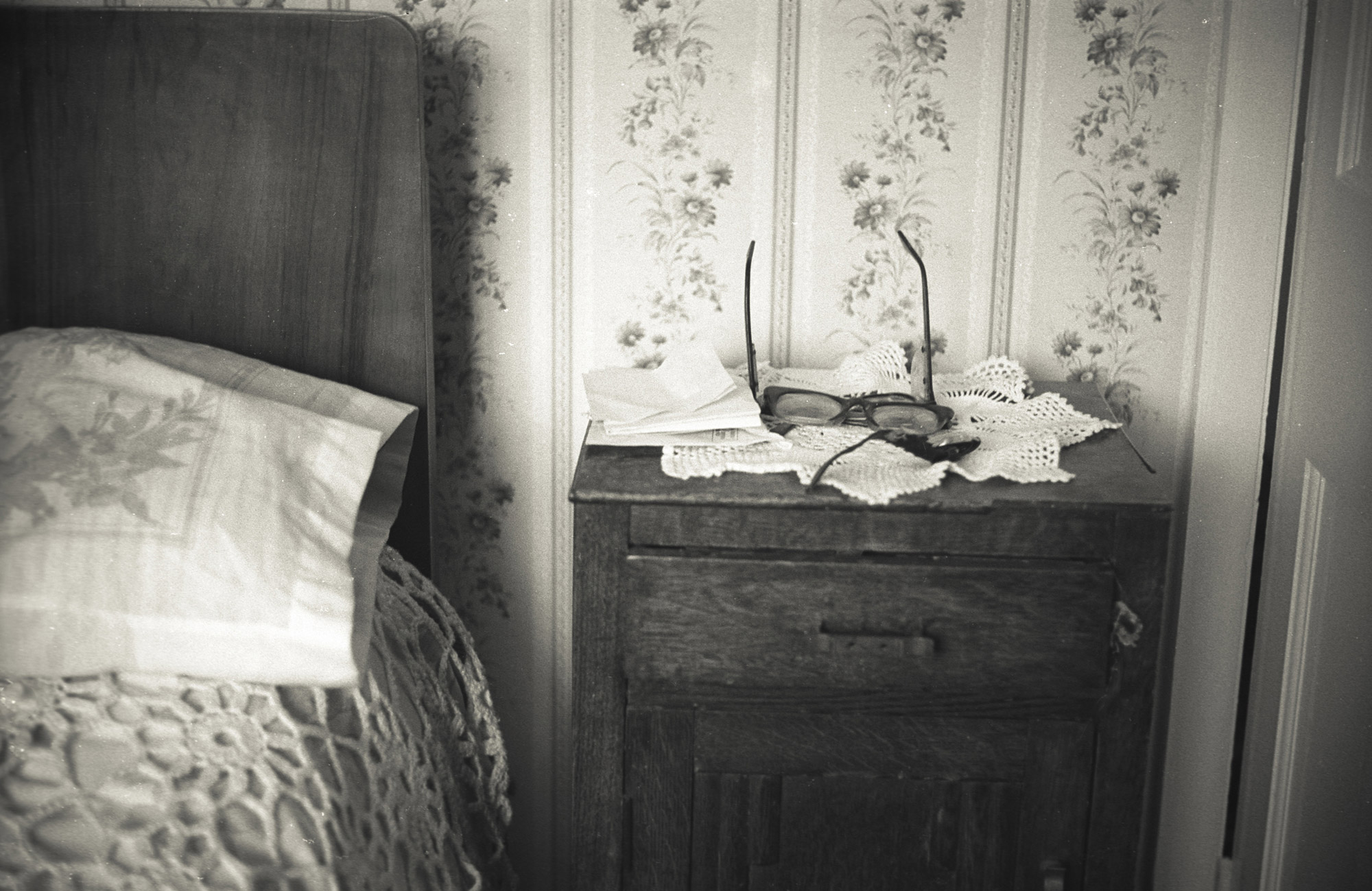
Black and white photograph of a bedside table with reading glasses, letters, and lace beside a bed.

Fred’s bedside table.

On Taking Ease Seriously

On Taking Ease Seriously

For a long time, I didn’t trust what came easily to me.
Ease wasn’t a familiar feeling — and certainly not something I associated with intelligence or value.

I am dyslexic, though I wasn’t diagnosed until I was eighteen, almost by accident. Reading had always felt impossibly difficult, and without understanding why, I quietly absorbed the idea that I wasn’t particularly bright. A well-meaning history tutor once described me as “a lovely girl, but not very intelligent.” I carried that belief for years, despite later passing the subject with an A grade when I was finally given the chance.

Art was the one place where something else stirred. I didn’t discover I could draw until I was twelve, and photography came later still — arriving without struggle, without friction. I genuinely couldn’t see what the fuss was about. I assumed that if something felt natural to me, it must be simple for everyone.

It wasn’t until I began photographing people professionally that I started to notice something quietly significant. When clients first saw their images, the reactions were often emotional — tears, long silences, a sense of being deeply seen. Again and again, they would ask, “How did you know?”
The truth was, I didn’t always know in words. I hadn’t consciously set out to capture a particular truth — but I had recognised it instinctively, and responded to it through the camera.

That intuitive understanding was later affirmed in ways I could never have anticipated. An image I made of my two nephews went on to represent the UK in Europe and ultimately won European Portrait Photographer of the Year. Hearing the judges speak about why they chose that image — what it communicated to them, without explanation — confirmed something I had long felt but never fully trusted: that my work speaks beyond language.

I now understand that this ability comes from deep observation. As a shy child — one who sometimes stammered — I learned to read people without relying on words. Emotional intelligence became a way of navigating the world, and photography its natural expression. People feel safe in front of my lens because I know how to create space — and because I honour the courage it takes to be seen.

This shows up in every signature image I make. There is always a moment where my sitter meets the lens directly — a brave, collaborative act that asks for presence and trust. These are the images that endure: the ones that are kept, revisited, and handed down.

Taking ease seriously has changed how I value my work — and myself. What once felt unremarkable, I now recognise as a quiet, hard-earned skill. One that has deepened rather than diminished with time.

Becoming

Becoming

I chose portraiture because people matter.

Bearing witness to who someone really is — beneath the complex layers of lived experience — has always felt profoundly important to me. How people live their lives. What makes them happy. The objects they choose to keep close: the trinkets, the memories, the books, the clothes. These details often move me deeply. They speak quietly but clearly about identity, history, and belonging.

When I photograph someone, it feels like an act of recognition. A way of saying: I see you. I honour you. You matter.
Being invited to make a portrait is a privilege — one I never take lightly.

Over time — and particularly after more than three decades working in this genre — I’ve found myself reflecting more deeply on why portraiture matters so much to me. One realisation is rooted in my own experience of being adopted. Although I grew up with a loving mother, supportive grandparents, and two siblings, I always carried an awareness of difference — a sense of not quite belonging in the same way.

I’ve greatly simplified something complex here, and perhaps that story belongs elsewhere. But I believe that experience instilled in me a quiet urgency: a desire for people to feel seen, to know they are important, and that their presence in the world is intentional. I became fascinated by the details that make up a person’s unique story — and driven to preserve them.

This understanding deepened during a personal project I made of my grandparents, Beat and Fred, in my early twenties. I photographed them instinctively and carefully, capturing not only their portraits but the spaces and objects that shaped their everyday lives. Their reading glasses resting on a lace doily. The small details of a two-bedroom council house in Redditch that I knew intimately from years spent there.

At the time, my family found it amusing — even puzzling — that I was photographing everything. I didn’t fully understand it myself. I only knew it felt necessary.

Now, with Beat and Fred no longer here, the value of that work is unmistakable. Those images hold more than memory; they hold presence. They bear witness to lives lived fully and quietly, and to the love that shaped them.

Portraiture, for me, holds time.
It says: I was here. I mattered.
And for those who come after, it becomes something precious — a way to remember, to recognise, and to belong.