Learning by Making

Learning by Making

There is a kind of learning that cannot be thought through in advance.
It has to be felt. Touched. Lived in the hands.

Returning to making — properly making — has reminded me of this in the most grounding way. Not as a concept, but as an embodied truth. When I work with unfamiliar materials, thinking loosens its grip. Control softens. Something else takes over.

This is where learning actually happens.

I have spent decades working with a high level of technical fluency. That experience does not disappear when I step into new territory — it hums quietly beneath the surface. What has shifted is my relationship to outcome. I am no longer trying to resolve ideas immediately. Instead, I allow them to arrive through action.
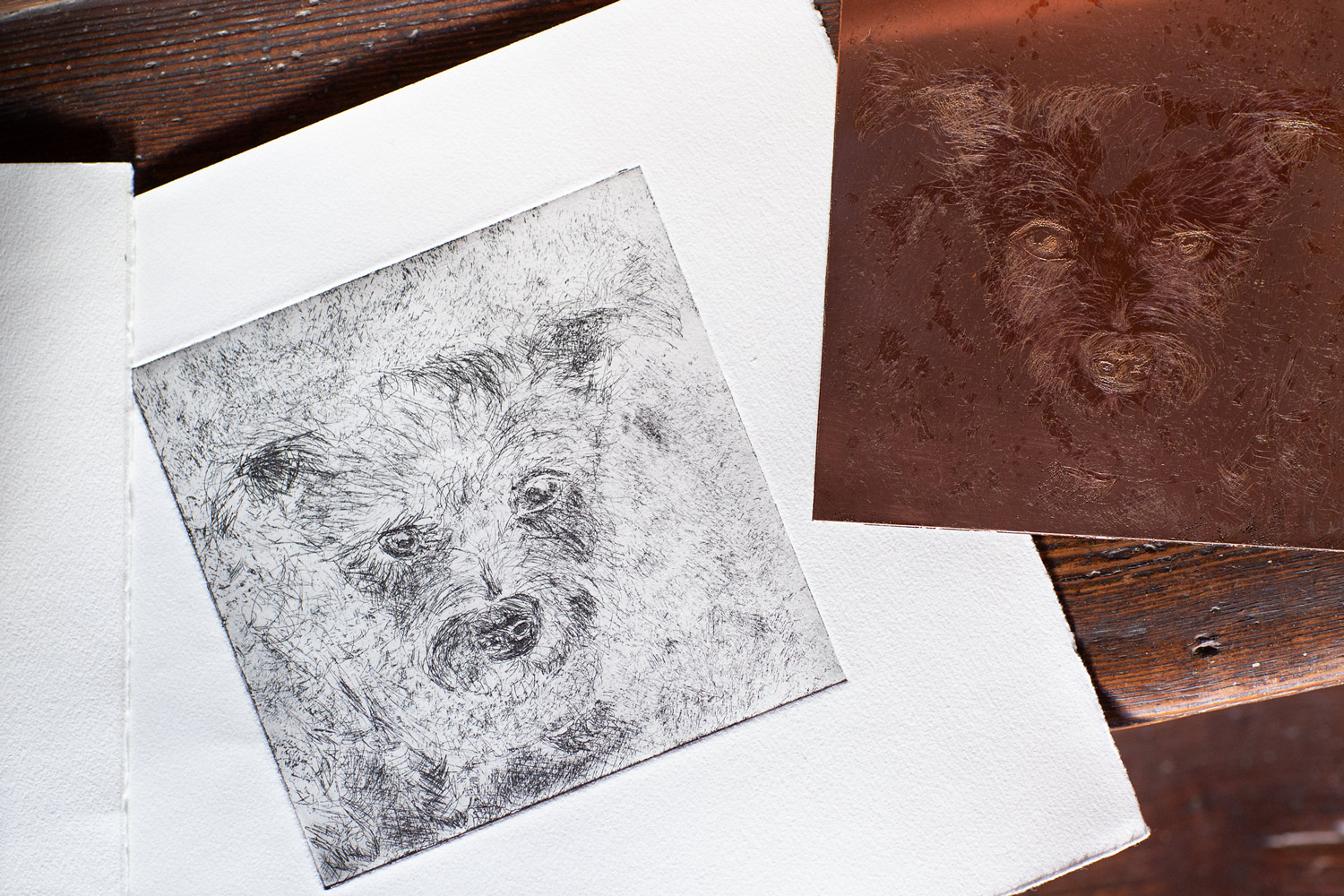
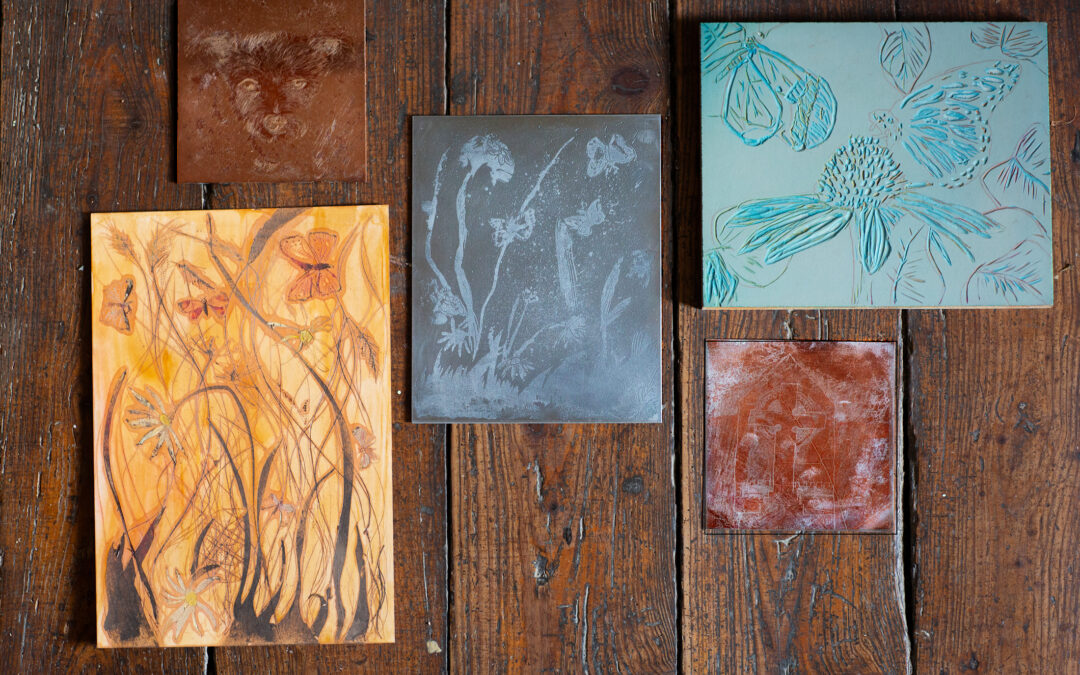
Etched copper plate with visible etched marks, printed in black ink onto fine art paper, shown as part of an in-process printmaking workflow.

Working with lino, copper, zinc, paper, and ink — materials that resist, respond, and surprise — has been humbling and exhilarating in equal measure. Each surface demands attention. Each mark carries consequence. There is no shortcut to understanding; the material teaches as it is handled.

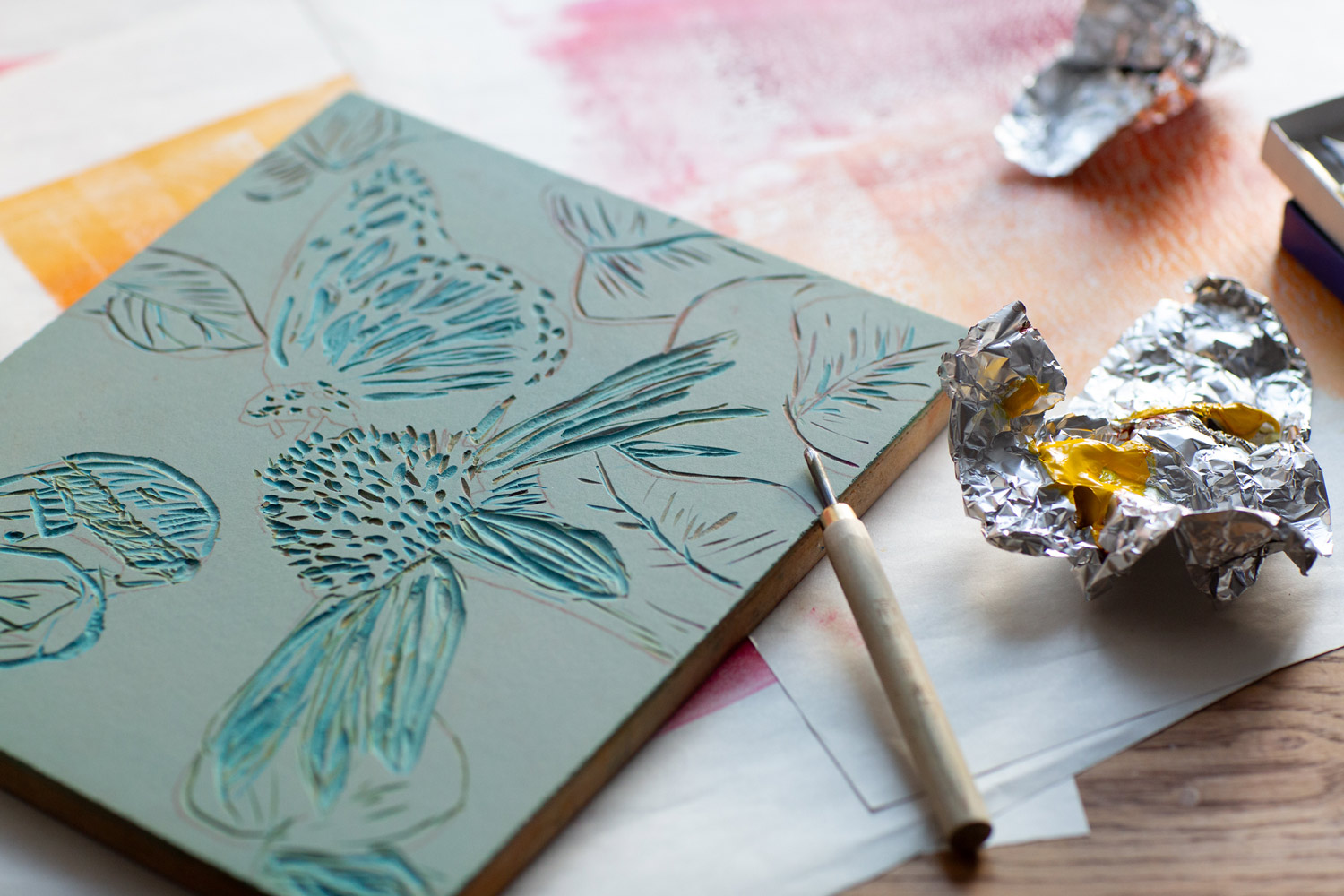
Cardboard printing plate scratched by hand, sealed with button wax, and printed multiple times using different coloured inks.
Lino suicide plate partway through the printmaking process, showing layered carving and coloured ink.
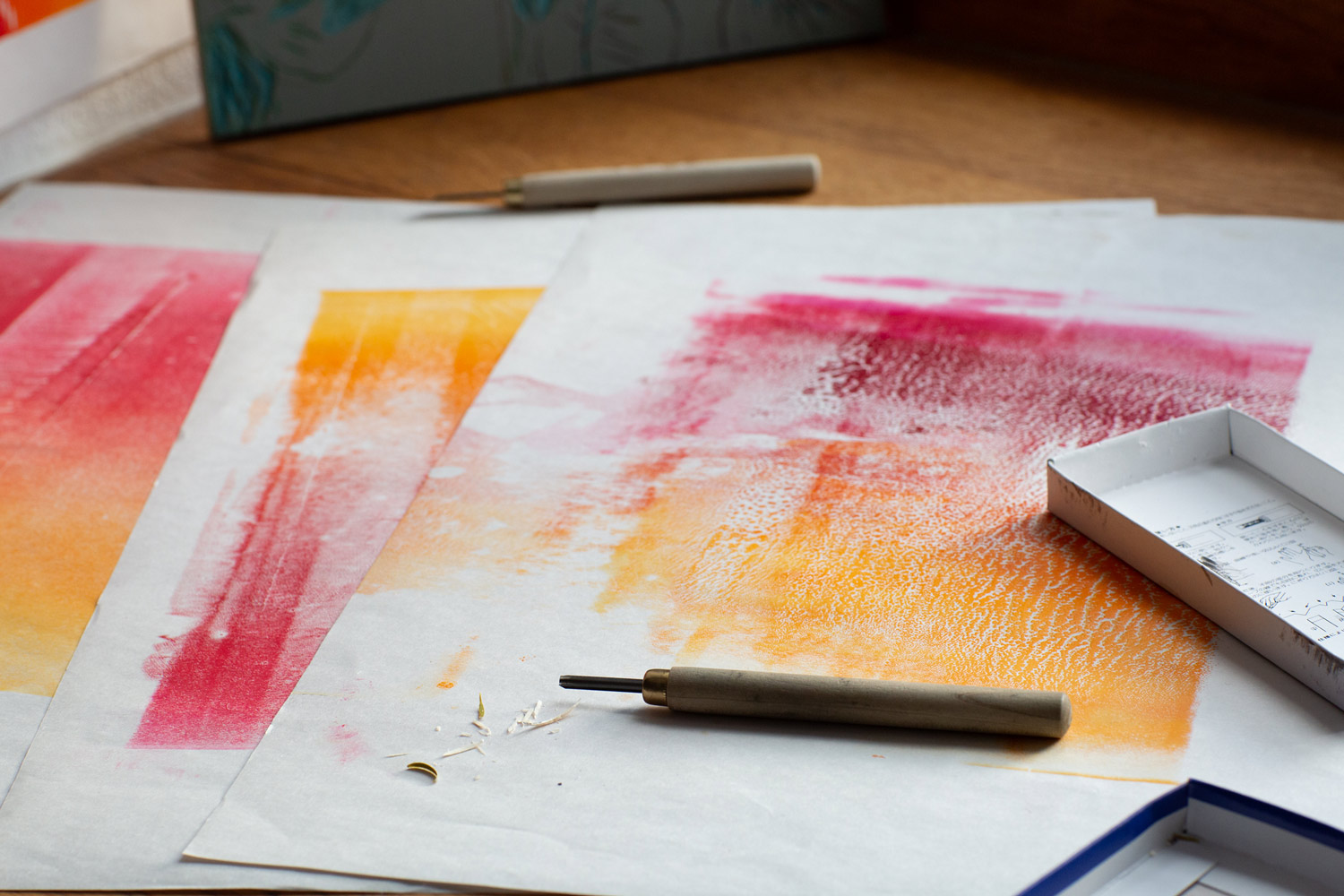
Printmaking cutting tools and coloured ink rolled onto test paper during an experimental printing process.
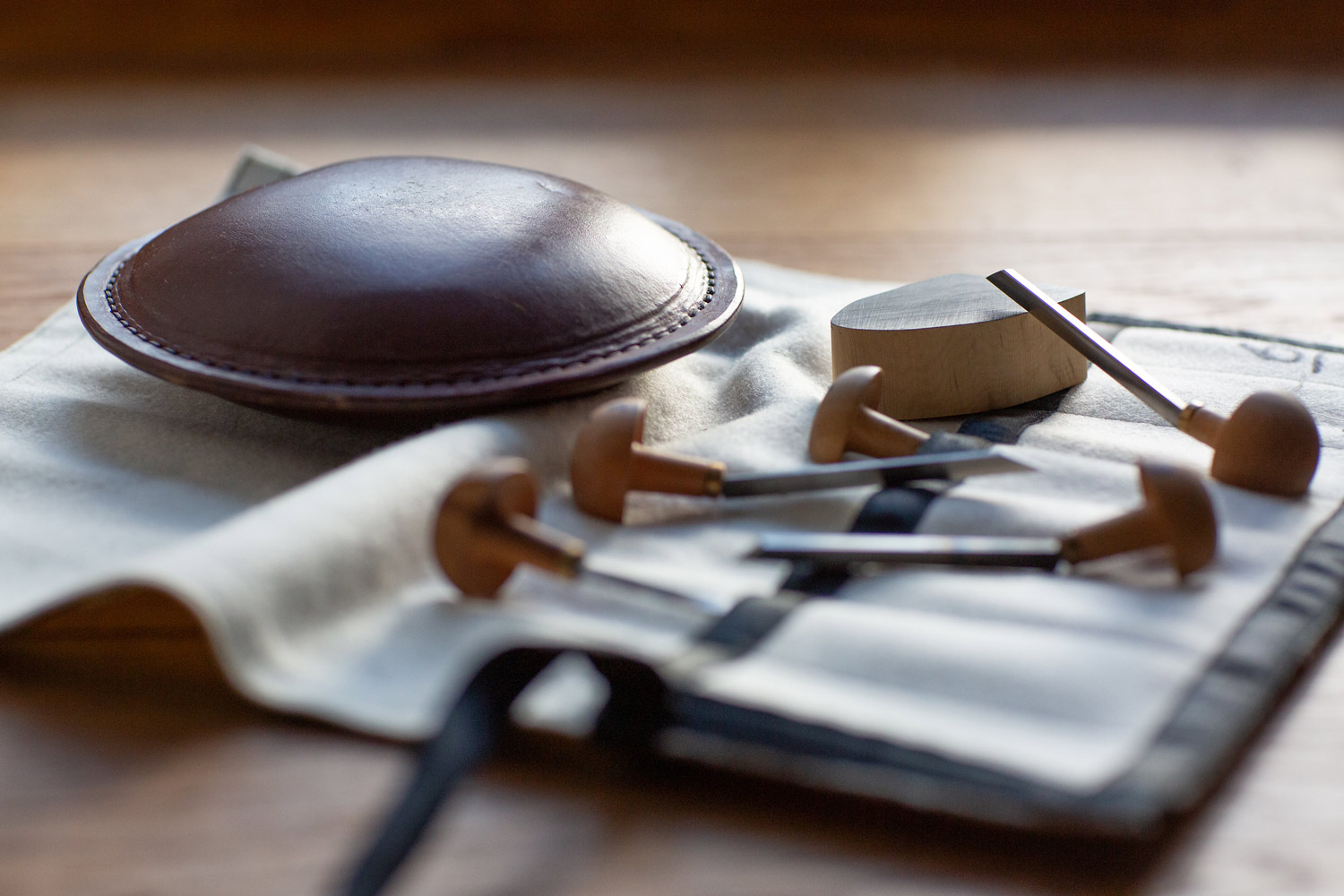
Woodcut tools, a leather turning circle, and a small wooden block arranged on a work surface.

This way of working feels refreshingly honest. There is no performance of certainty. No need to justify decisions before they are fully formed. Instead, there is a dialogue — between hand and surface, instinct and resistance.

I am reminded that photography, too, was once learned this way. Through repetition. Through failure. Through staying close to the work long enough for understanding to arrive. Mistakes are not interruptions here. They are information.
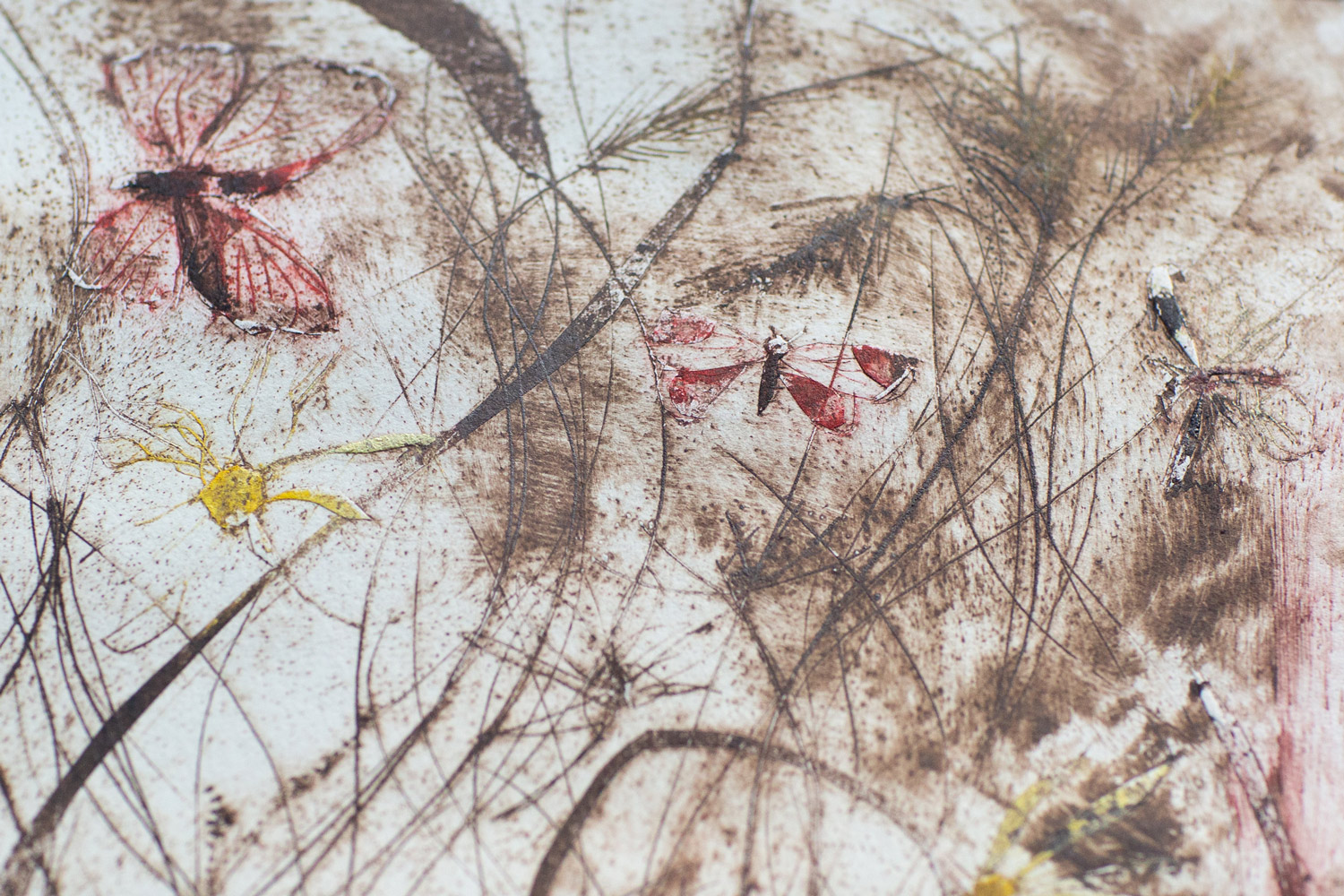
Alt text Close-up of an experimental etching printed with three different coloured inks, showing layered marks and overlapping lines.

What matters most at this stage is not what the work is, but what it is teaching me — about pace. About attention. About trust. About letting go of polish in favour of presence.

There is a quiet confidence in allowing myself to be a beginner again — not because I lack experience, but because I no longer need to prove it.

This is learning by making.
And it feels like coming home.

I find myself working in sequences rather than singular pieces — printing, reworking, altering pressure, changing inks, scraping back, starting again. What emerges is not refinement in the traditional sense, but awareness: of what the material wants, and what I am asking of it.
What Film Taught Me That Digital Never Could

What Film Taught Me That Digital Never Could

Some lessons stay with you long after the tools change.

When I first grappled with film as a fledgling student, what caught my attention immediately — more through fear than gentle learning — was that there were no second chances. You had one opportunity to get it right. Exposure mattered. Precision mattered. There was no winding the camera on and hoping for the best.

That discipline didn’t come naturally to a free soul like me, but it had to be learned early. Film and processing costs were unforgiving, and repeating shoots simply wasn’t an option. Nowhere was this more apparent than when working with E6 transparency film — beautiful, brutal stuff with zero tolerance for error. Blow the highlights and they were gone forever.

I’m not claiming mastery of the Zone System, but I did gain a firm, embodied understanding of light and how it behaves. And that was only the beginning.

Film taught me commitment. It demanded a decisive, gut-led moment — press the shutter now — and then acceptance. There was no analysing the image on the back of the camera, no instant reassurance. You made the photograph, and you moved on. Maybe to the next frame, maybe saving the remaining film for another time. No scattergun shooting. No certainty. Just trust.

That waiting changed everything. The image didn’t belong to you immediately — and that altered the relationship. Anticipation, reflection, and patience became part of the process. I remember the nerves of holding a 35mm cassette after what felt like a good shoot, hand-feeding the spool in total darkness, loading it with the tenderness of something fragile and precious. That not-knowing sharpened attention rather than dulling it.

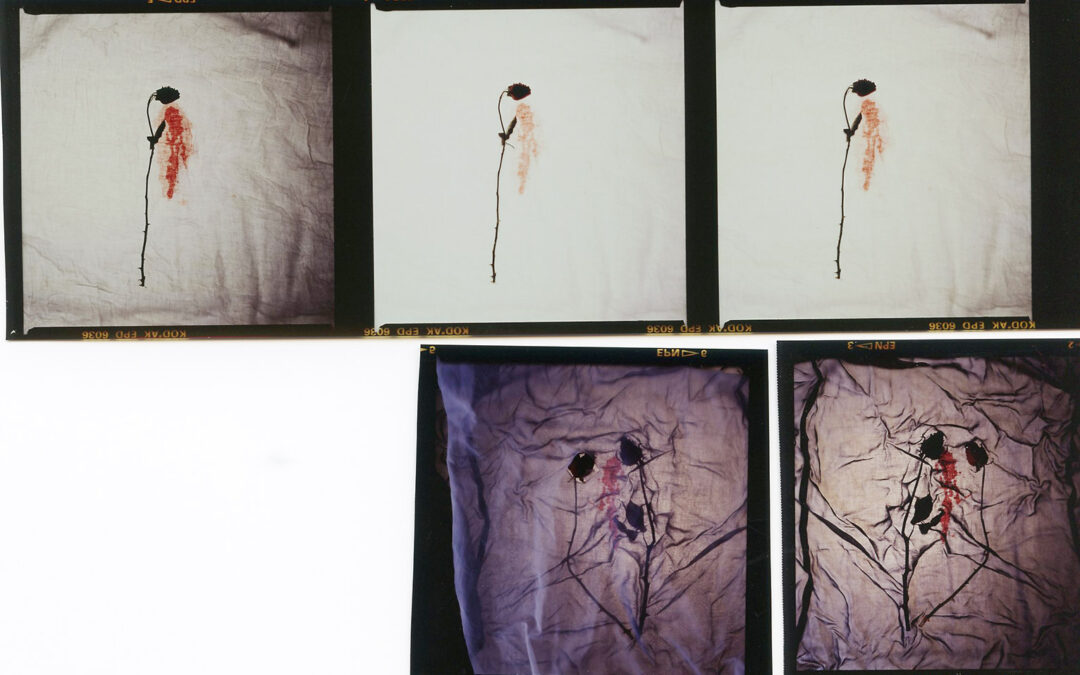
Film also taught me to think in sequences, not single frames. A contact sheet held possibility — a story unfolding across twenty-four or thirty-six images, seen together in full strips. The materiality of it all: negatives, prints, presence. Photography as something you handle, not scroll past.

And then there is the poetry. This is what I miss most. Grain, tone, the way film holds light — softly or harshly — depending on the stock you choose and how you process it. Every decision is made in advance, consciously and intentionally. Filters and tricks can imitate the look, but not the commitment behind it.

Digital has brought many freedoms, and I embrace them. But the lessons film gave me — patience, discernment, trust, and intention — have never left. They remain quietly embedded in how I see, long after the tools have changed.

The Darkroom Years

The Darkroom Years

Before photography became fast, it was slow — and I learned that pace in the darkroom.

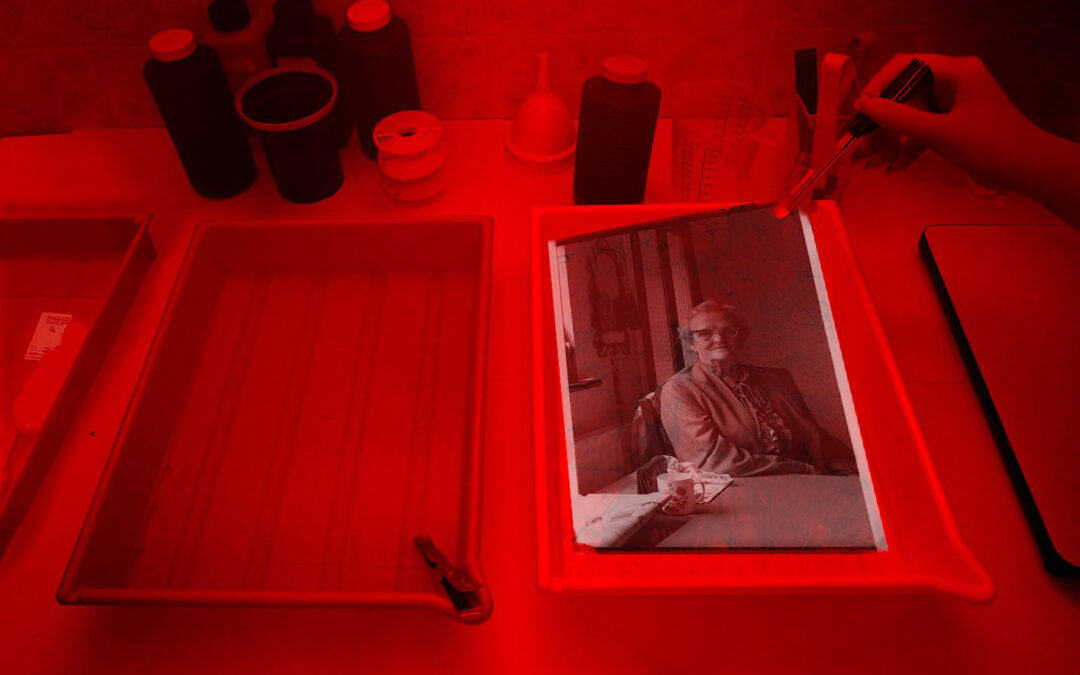
The darkroom was my secret, sacred space. Almost womb-like in its protection from the outside world. Just me, my negatives, and the heady, familiar smell of developer, stop bath, and fixative. Me and my thoughts, and a practice honed over years of devotion to the craft. Pure alchemy.

There are no words that can fully encompass the feeling of placing a dormant image into the first tray — watching, waiting, not quite knowing if you’ve got it right. And then, when you have, the quiet surge of joy. When you know, you know.

The darkroom taught me patience. It demanded it. There was no rushing to be had — shortcuts would inevitably reveal themselves, if not immediately then years later, when a print began to turn an unfamiliar shade. Working this way slowed me down and required me to truly be with the work. To absorb it. To look. To reflect.

It was a solitary place, and the process became almost meditative. Long hours passed unnoticed as images emerged and decisions were made carefully, deliberately. Looking back, that time and space allowed me not only to reflect on my photographs, but on life itself. Printing is a hungry, all-consuming process — and it required my full attention.

What I see now is how perfectly this slowness balanced the intensity of shooting. The energy of a photographic session — fast, responsive, emotionally charged — is exhilarating. I love it with every cell in my body. But I am, at heart, an introvert. My more sensitive, reflective side needs an equal counterweight. The darkroom provided that balance beautifully.

Some of my clearest memories live there. Rain pounding on the roof above — my darkrooms always seemed to find themselves tucked into attic or roof spaces — working late into the night, losing all sense of time. In those moments, my analytical mind would quieten, and instinct would take over. That was where the gold was made.

I even remember noticing that on nights with a full moon, I could taste metal from my silver fillings — a strange, sensory detail that has stayed with me long after the fillings themselves have been replaced. Funny what the body remembers.

My business has been fully digital for many years now, yet I find myself increasingly yearning for the analogue to return. I’ve already dusted off my original Nikon 35mm and my Canon EOS 3 — faithful old friends — and begun experimenting again with rolls of long-expired film still tucked away from those earlier years.

I feel fortunate to belong to a generation that grew up with analogue, pivoted to digital at the right moment, and now has the perspective to choose intentionally what comes next. With experience behind me, and curiosity still intact, I can sense the direction my practice is moving toward.

This is not nostalgia.
It is a return to slowness, materiality, and intention.

Watch this space.

35mm, Handheld, and the Refusal to Freeze Life

35mm, Handheld, and the Refusal to Freeze Life

While much of the industry prized stillness and perfection, I was far more interested in what happened when people were allowed to move. That was where the real magic lived for me — where the fun could begin.

Without the literal heaviness of traditional equipment — my goodness, my Manfrotto tripod weighed a ton — the difference was immediate. Between manoeuvring its many moving parts, looking down instead of engaging, balancing, measuring, and checking everything twice, the moment was often long gone. It felt like sucking the air out of a balloon. Absolutely not for me.

I didn’t want to be anchored to one position, locked into precision at the expense of presence. I needed freedom — to move, to observe from any angle, to remain alert and responsive. I wanted to be in the moment, not managing equipment while life quietly slipped past.

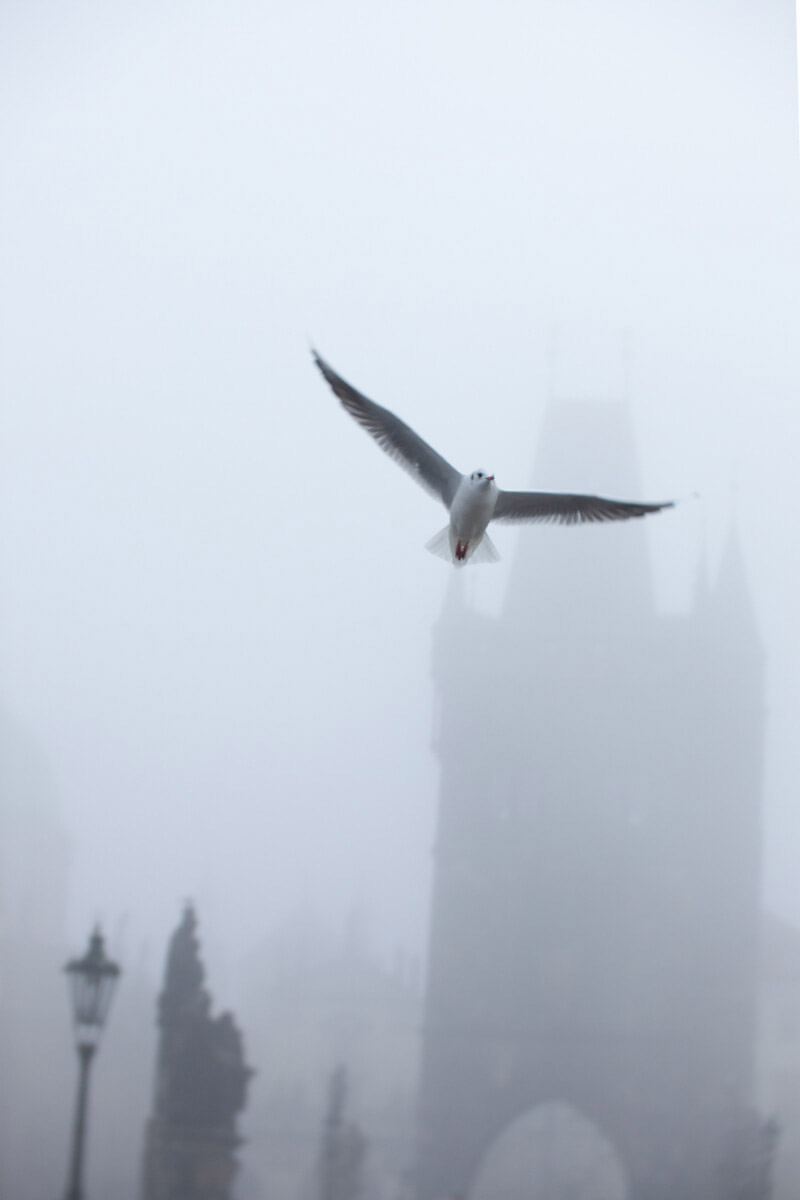
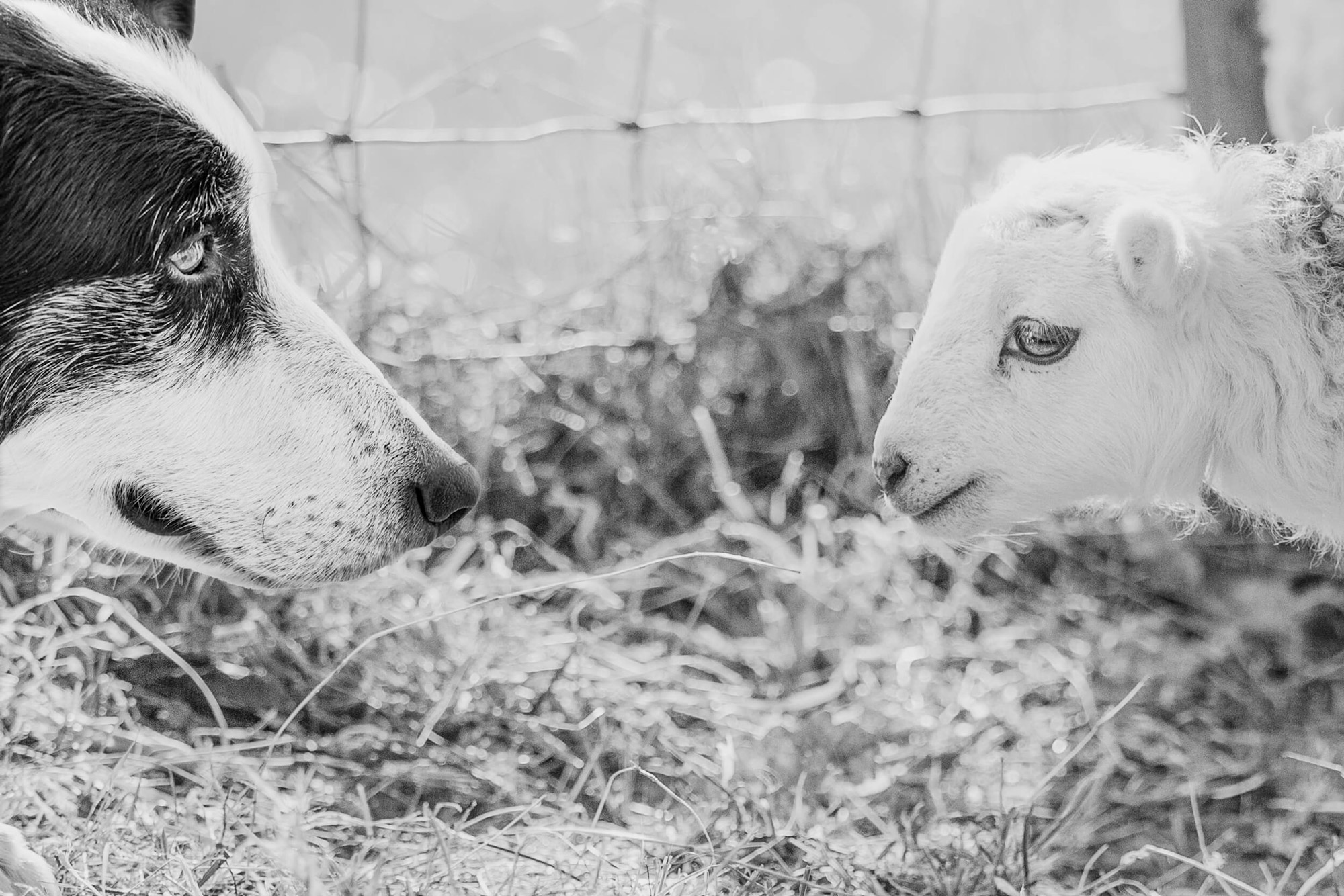
Bird flying through fog with wings outstretched against a pale sky

Working handheld with a 35mm camera changed everything. It allowed me to lift my head, relax my body, and fully engage — not just seeing what was happening, but feeling it. I could move with my subject, respond instinctively, and remain immersed in the exchange unfolding in front of me.

It felt like conducting an orchestra — a beautiful, shifting, living thing — and translating the music I was hearing internally into images. Joyous. Freeing. Some of the best moments of my life have happened in that state of flow. You feel it physically: the hairs rise on the back of your neck, the energy becomes palpable.

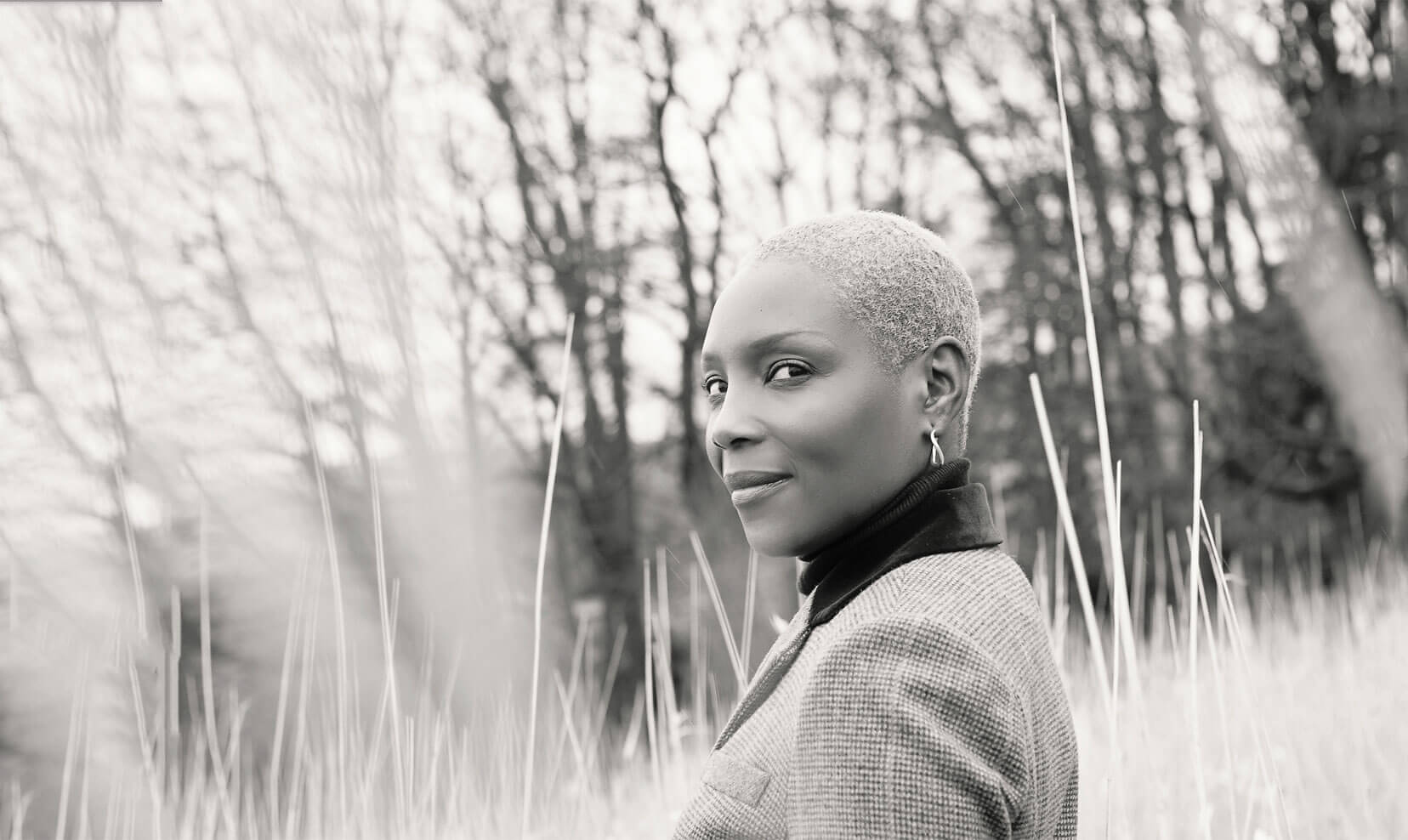
Portrait of a woman standing in tall grass, looking directly towards the camera

For me, this was never an anguished process of trying to remember rules or check settings. It was the opposite: a conscious letting go — working with intention, but also with abandon. A kind of dance, where photographer and subject move together, responding to one another in real time.

When I photograph a portrait this way, I can sense the shift taking place in my sitter as it happens. Something softens. Something opens. It’s harmonious, satisfying, and deeply rewarding. People almost always leave my sessions uplifted. I genuinely believe that commissioning a portrait with the right photographer can be one of the most affirming acts of self-recognition there is.

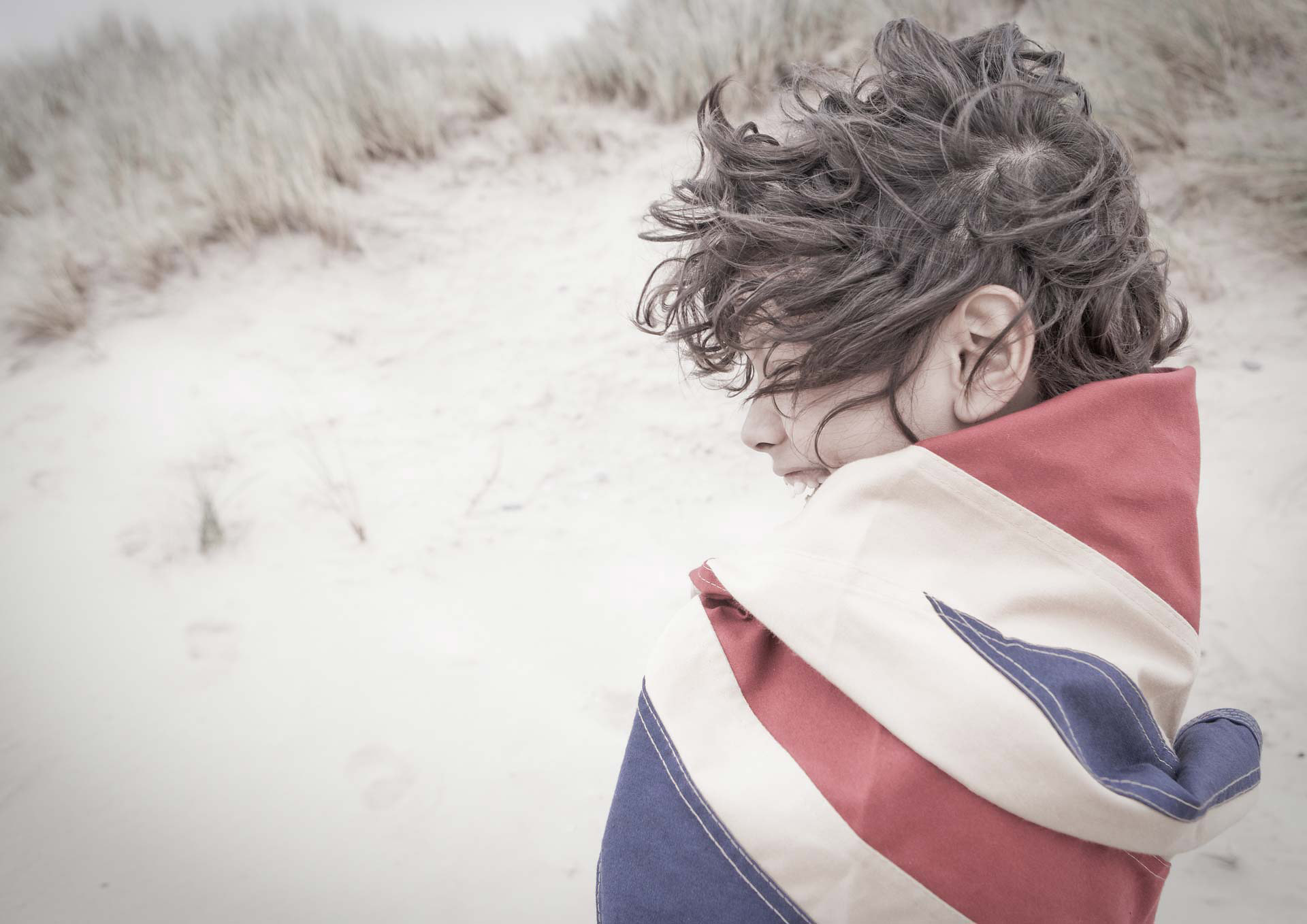
A child standing on a windy beach, turned away from the camera

At the time, this approach ran counter to what was being taught and expected within the professional social photography industry. Medium format cameras, tripods, carefully staged group portraits — all taken from a fixed, predetermined point where the camera sat between photographer and subject. The results often felt predictable and lifeless to me.

Even in wedding photography, photographers were tethered to heavy equipment, limited to twelve frames at a time, with film costs discouraging responsiveness. It was a very different world — one that now feels almost unimaginable when considered against the speed and excess of contemporary image-making.

Today, we’ve swung to the other extreme. Endless frames fired rapidly. Thousands of images accumulated. Meaning diluted by volume. Somewhere between these two poles lies the place I still seek: a moment that is recognised, felt, and seized.

Henri Cartier-Bresson described this as the decisive moment. For me, it remains the quiet centre of my practice — where attention, intuition, and life meet.